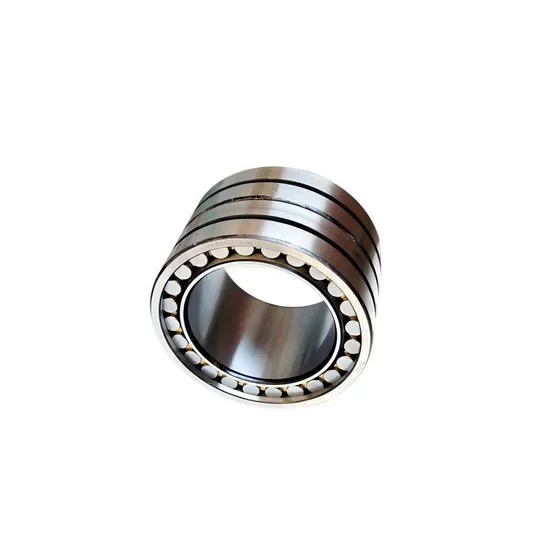
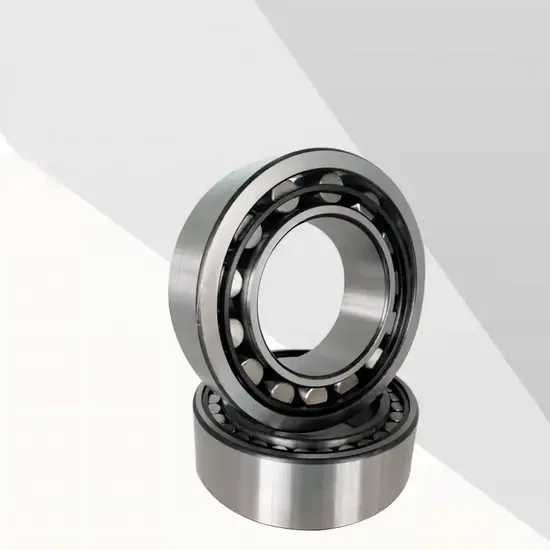
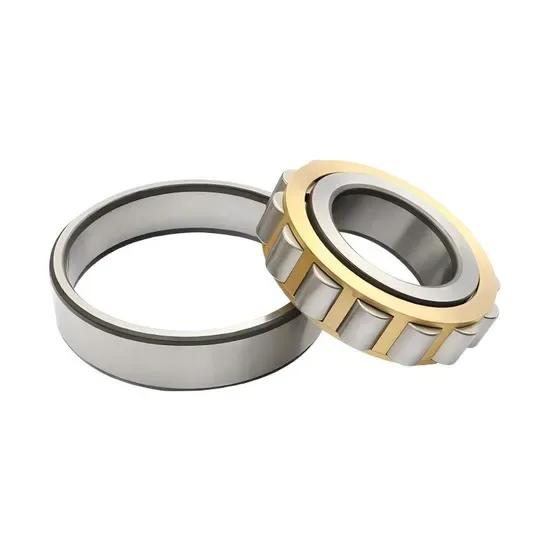
Description
Factory-Traced Supply Chain — Every 2J160Z-5 cylindrical roller bearing we ship is sourced through authorized distribution channels with full batch traceability and country-of-origin documentation for hassle-free import clearance.
Technical Specifications
| Parameter | Value |
|---|---|
| Designation | 2J160Z-5 (generic) |
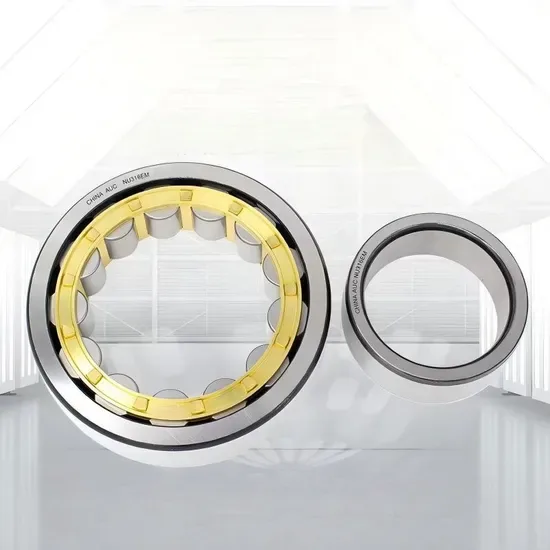
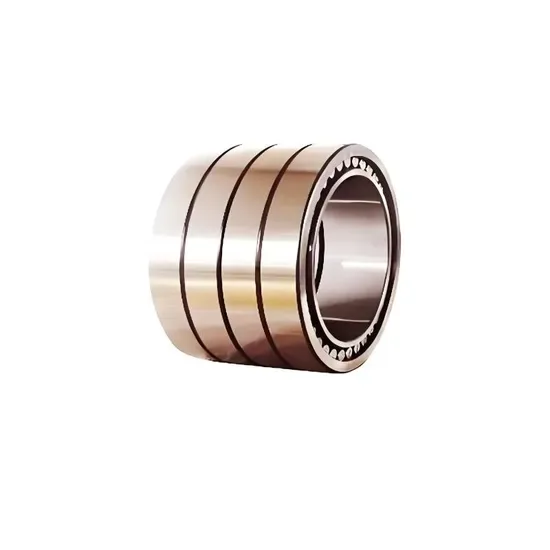
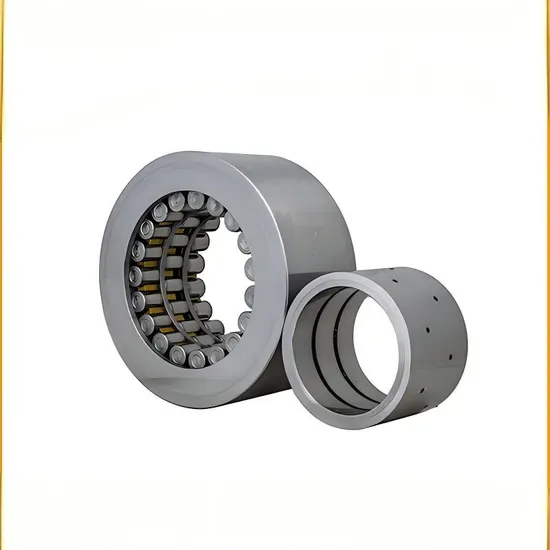
| Bearing Type | Cylindrical Roller Bearing |
| Bore Diameter (d) | 160.11 mm |
| Outside Diameter (D) | 250 mm |
| Width (B) | 155 mm |
| Seal or Shield Type | Sealed Type |
| Material | Bearing Steel |
| Origin | To be confirmed |
Note: The suffixes 2J, 160Z, and -5 are unverified and require confirmation against the manufacturer catalog before final specification lock-in.
Application Suitability
| Industry | Typical Applications |
|---|---|
| Steel and Metallurgy | Sintering medium roll necks, continuous caster guide rolls |
| Mining and Crushing | Rotary kiln support rollers, ore pelletizing drum shafts |
| Heavy Industrial Machinery | Large gearbox intermediate shafts, industrial fan drive ends |
What Happens When a Sintering Roll Bearing Is Specified Without Checking Thermal Clearance
A standard CN clearance 2J160Z-5 cylindrical roller bearing for sintering roll applications can seize within weeks when installed in a line running above 150°C ambient.
Sintering plants generate relentless thermal cycling. Roll necks see surface temperatures that push inner rings well beyond their fitted dimensions. When a replacement bearing arrives with normal clearance instead of the C3 or C4 the OEM originally specified, the thermal expansion closes the internal gap entirely. Rollers skid against raceways, cage pockets distort, and the seals — already fighting sinter dust and iron oxide scale — blow out under localized pressure spikes. The maintenance team replaces it again, not realizing the failure was written into the purchase order. [NEED_CITE: thermal expansion effects on bearing internal clearance in high-temperature industrial applications]
How the 2J160Z-5 Matches Sintering Line Demands
This bearing’s 160.11 mm bore and 155 mm width fit the mounting envelope of many OEM sintering medium roll designs without shaft modification. The sealed configuration keeps sinter fines, iron oxide dust, and coolant mist out of the roller paths — a critical advantage over open designs that rely on external housing seals, which degrade quickly under thermal cycling. When a steel mill in Southeast Asia switched from unsealed replacements to factory-sealed units on their medium rolls, they eliminated the re-greasing stops that used to interrupt every production campaign.
Sintering Environment Loads and Performance Boundaries
Sintering medium rolls carry heavy radial loads from the weight of the sinter bed and the compaction forces during operation. Shock loads occur when cold return fines hit the roll surface unevenly. The cylindrical roller design handles these radial forces through line contact between rollers and raceways, distributing stress across a larger area than point-contact ball bearings. Temperature at the roll neck can fluctuate between ambient and sustained elevated levels depending on cooling water flow and sinter bed proximity. Sealed bearings in this zone must balance contamination exclusion with the friction heat generated by seal lip contact — a trade-off that becomes critical when the surrounding environment already contributes significant thermal load. [NEED_CITE: cylindrical roller bearing load distribution under shock loading conditions]
Decoding the Sealed Configuration and Bore Geometry
The sealed type construction means this 2J160Z-5 cylindrical roller bearing for sintering roll service arrives pre-lubricated and protected from the moment it leaves the factory. In sintering environments where airborne particulate includes abrasive iron oxide and coke dust, factory-applied seals provide a more reliable contamination barrier than field-applied housing seals, which often suffer from misalignment during assembly. The 160.11 mm bore is a non-standard dimension — likely an inch-to-metric conversion tied to legacy roll shaft tooling — meaning interchange sourcing requires careful bore verification rather than rounding to the nearest 160 mm catalog size. The bearing steel construction provides the baseline hardness and rolling contact fatigue resistance needed for continuous heavy radial loading.
The Hidden Downtime Cost of Interchange Shortcuts
A purchasing team matching only the base bore and OD figures might accept a standard 160 mm bore substitute, forcing a sleeve adaptation that introduces runout and unbalanced loading. Or they might source an open bearing and add aftermarket seals, not realizing the seal material cannot survive the sinter line’s thermal profile. These shortcuts produce failures that ISO 15243 would classify under contamination or geometric stress — categories that account for a significant share of premature bearing removals in heavy industry. Each unplanned roll change on a sintering line means hours of lost production, crane mobilization, and cascading delays to downstream cooling and crushing stages. [NEED_CITE: rolling bearing failure mode classification per ISO 15243]
How We Reduce Procurement Risk on Non-Standard Bearings
Every 2J160Z-5 we supply ships with batch-level traceability back to the authorized distributor channel, not an unverified trading desk. Our cross-reference database checks more than base dimensions — we verify seal type compatibility, clearance class, and cage material before confirming interchange. For buyers managing import documentation, we provide country-of-origin paperwork and HS code support so customs clearance does not stall at the port. When a suffix is ambiguous, our technical team contacts the manufacturer’s engineering desk directly rather than guessing from a catalog scan. Maintenance engineers get installation guidance specific to sealed cylindrical roller bearings in high-temperature housings, including induction heating temperatures and fit tolerance recommendations.
Documentation & Authenticity
- Supplier Certificate of Conformity listing batch number, origin country, and HS code for the 2J160Z-5 shipment
- Material certificate confirming bearing steel grade composition and heat treatment compliance
- Third-party dimensional inspection report verifying the 160.11 mm bore, 250 mm OD, and 155 mm width against stated tolerances
- Country-of-origin documentation package prepared for import clearance in destination markets
- QR code verification pathway through the brand’s official authentication app where applicable
Storage, Handling & Mounting
- Keep the 2J160Z-5 in its original sealed packaging until the moment of installation to preserve factory-applied lubricant and seal integrity
- Store horizontally in a temperature-stable environment; the 155 mm width and sealed construction make this bearing susceptible to seal lip deformation if stored upright on its face for extended periods
- Use induction heating for inner ring mounting on the sintering roll shaft, monitoring temperature to avoid damaging the seal material beyond its thermal limit
- Do not attempt to re-lubricate through the seals; the sealed type design relies on the factory grease fill for its service interval
- For the non-standard 160.11 mm bore, verify shaft diameter and tolerance before heating — a worn or out-of-round shaft will compromise the interference fit regardless of bearing quality
Request a Technical Review Before Ordering
Share your sintering line operating parameters — roll neck temperature range, radial load estimates, and shaft tolerance data — so our team can confirm whether the suffix configuration on the 2J160Z-5 cylindrical roller bearing for sintering roll service matches your application. If you have an OEM equipment number or a drawing reference, we can run a full cross-reference check including seal material and clearance verification. Ask for the documentation package upfront so your import team can review origin and HS code details before committing to a purchase order.
Frequently Asked Questions
Q: How do I confirm whether the 2J, 160Z, and -5 suffixes match my OEM specification?
A: We cross-check each suffix against the manufacturer’s current catalog and your OEM equipment documentation. If the original equipment drawing specifies a particular seal material, clearance class, or internal design variant, we verify alignment before quoting.
Q: Can this sealed cylindrical roller bearing be re-lubricated in the field?
A: Sealed type bearings are designed to run on their factory grease fill for the intended service interval. In sintering environments, attempting to force additional grease past the seals can damage the seal lips and introduce contamination pathways.
Q: What documentation ships with the bearing for import purposes?
A: Each shipment includes a Certificate of Conformity, material certificate, dimensional inspection data, and country-of-origin documentation. HS code information is provided to support customs classification in the destination country.
Q: How do you verify dimensional accuracy on a non-standard 160.11 mm bore?
A: Our pre-shipment inspection process includes bore, OD, and width measurement against the stated tolerances. For non-standard bore sizes like 160.11 mm, we pay particular attention to roundness and taper to ensure proper shaft fit.
Sourcing a 2J160Z-5 cylindrical roller bearing for your sintering line?
Send us your application parameters or OEM roll drawing reference, and we will return a technical match review with full documentation preview.
Contact: sales@bearing-supplier.com