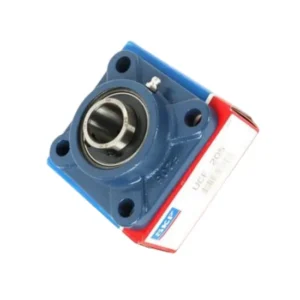
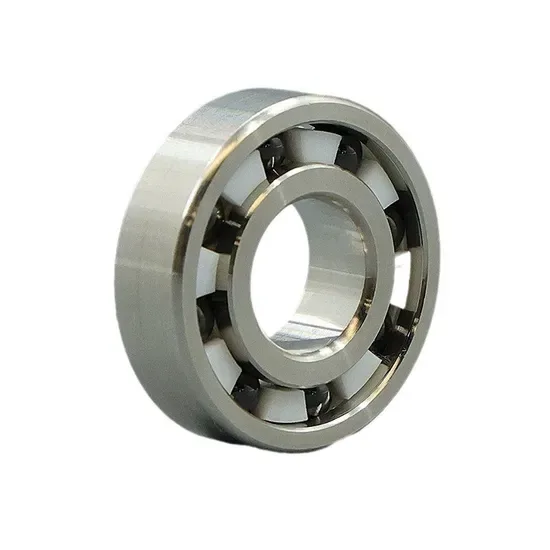
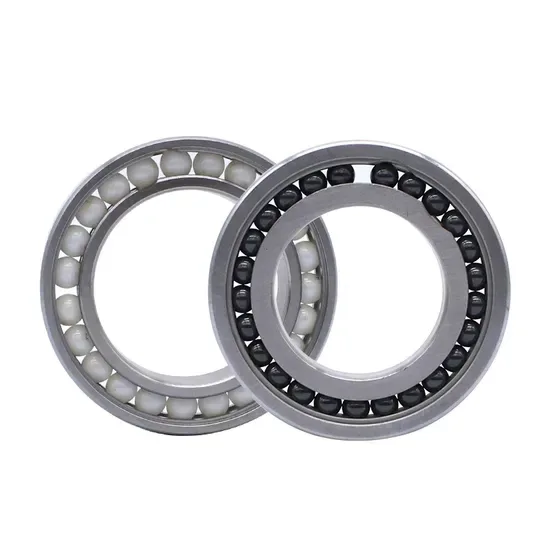
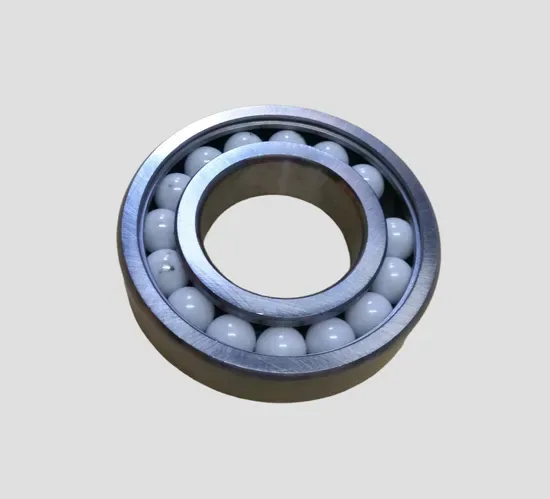
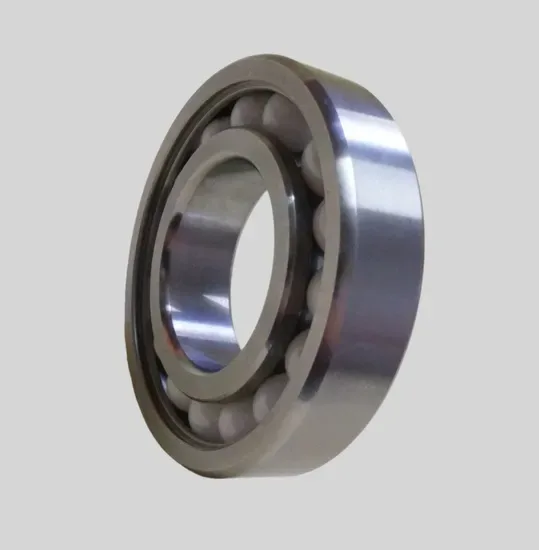
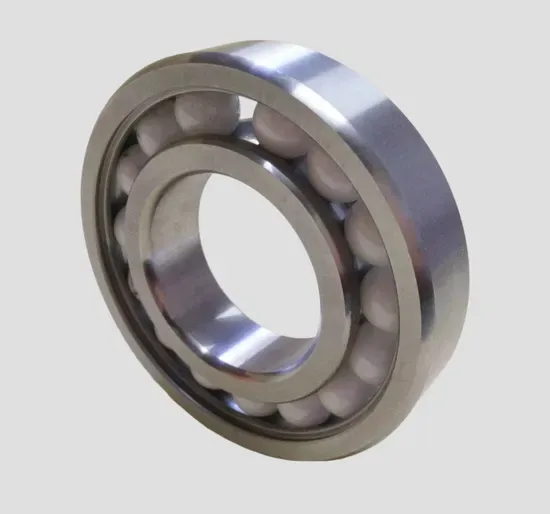
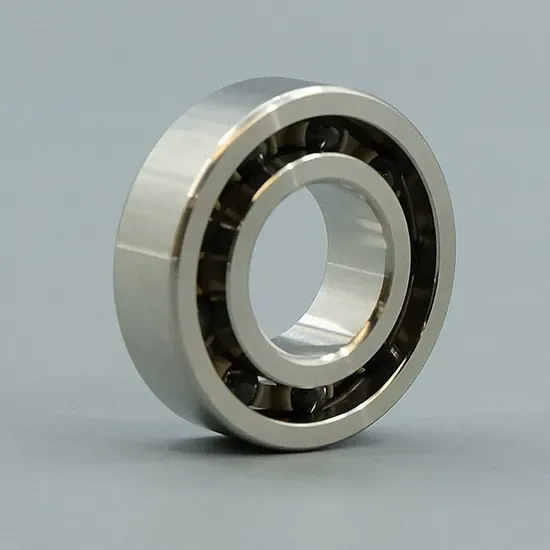
Description
Traceable High-Temperature Sourcing — every customized high-temperature thrust bearing we ship is backed by supplier-issued certificates and batch-linked documentation, so import compliance and origin verification stay straightforward from factory gate to your receiving dock.
Technical Specifications
| Parameter | Value |
|---|---|
| Designation | Generic 200C High Temp Thrust Bearing |
| Bearing Type | Thrust Bearing |
| Operating Temperature Range | Up to 200°C continuous application; supplier-stated material range 300–1000°C |
| Feature Set | Corrosion Resistant, Antimagnetic, High Temperature, High Speed |
| Customization | OEM/ODM available |
| Certification | RoHS, CE |
| Package Dimensions | 40.00 cm × 30.00 cm × 25.00 cm |
| Package Gross Weight | 20.000 kg |
The "200C" designation does not correspond to any standard manufacturer suffix convention; its exact meaning — whether it refers to an operating temperature limit, a material code, or a proprietary product series — should be confirmed directly with the supplier before finalizing an order.
Application Suitability
| Industry | Typical Applications |
|---|---|
| Plastic & Rubber Processing | Injection molding machine clamping unit thrust support |
| General Industrial Machinery | High-temperature axial load stations on conveying and processing lines |
| Mining & Crushing | Hot-material handling equipment where standard greases degrade |
| Steel & Metallurgy | Roll guide and press axial positioning near radiant heat sources |
What Thermal Binding Really Costs on a Molding Press
A thrust bearing that seizes at 200°C rarely fails from overload — it fails because someone matched the base number and ignored everything after it.
I have seen injection molding lines in Latin America shut down for days because a thrust bearing cage warped under sustained heat. The supplier had shipped a standard-steel-cage unit that matched the bore and outside diameter perfectly, but the cage material was never rated for the ambient temperature inside the clamping zone. When the molded part cooled unevenly, the entire cycle time drifted. Maintenance crews blamed the hydraulic system for weeks before pulling the bearing and finding discolored, deformed cage pockets. [NEED_CITE: bearing failure modes related to thermal overload per ISO 15243] Situations like this repeat across plants that rely on catalog numbers alone without verifying the suffix stack against actual operating conditions.
Matching the Bearing to the Molding Cycle
Injection molding presses subject thrust bearings to repeated axial pulses at elevated ambient temperatures. The clamping phase generates sharp peak loads, while the cooling and ejection phases release them — a pattern that demands a cage design capable of surviving thousands of stress reversals per shift without fatigue cracking. High Temperature Thrust Bearing 200C units specified for this environment must also accommodate thermal growth in the housing bore, which is why we always cross-check the clearance and material data against the machine builder’s original drawings rather than relying on a generic interchange table. One customer in Brazil cut unplanned stoppages noticeably by switching from a basic CN-clearance part to a verified high-temperature alternative after we compared their housing expansion data with the bearing’s internal geometry.
Heat, Load Reversal, and Cage Survival
The thermal environment inside an injection molding machine is far from uniform. Radiant heat from the barrel and hydraulic oil running at elevated temperatures combine to push local ambient conditions well above typical industrial norms. Under these conditions, standard lithium-soap grease thins rapidly, reducing film thickness between rolling elements and raceways. [NEED_CITE: high-temperature grease service life reduction in rolling bearings] Axial load reversals during clamp-open and clamp-close cycles add mechanical fatigue to the thermal stress. A stamped steel cage may handle the loads at room temperature, but once the operating temperature climbs, the cage pockets can elongate and lose roller guidance. Machined brass or high-temperature polymer cages maintain dimensional stability in this range, which is why the cage suffix matters as much as the load rating.
Reading the Specifications That Matter Most
Two specification lines on this product deserve particular attention. The operating temperature range — rated for continuous 200°C application with supplier-stated material capability extending higher — indicates the use of heat-stabilized steel or specialty alloys. Heat stabilization, often designated by suffixes like S1 or S2 in standard catalogs, involves a supplementary tempering step that reduces dimensional change under prolonged thermal exposure. Without it, the rings can grow enough to consume internal clearance and bind. The corrosion-resistant and antimagnetic feature set suggests either a stainless construction or a surface treatment, both of which affect hardness and load capacity differently from standard chrome steel. When evaluating a High Temperature Thrust Bearing 200C for a specific press, comparing the dynamic load rating against the actual clamping force — with a safety margin for thermal derating — prevents the common mistake of sizing purely on static dimensions.
The Hidden Expense of Skipping the Suffix Check
A replacement thrust bearing that costs a fraction of the original OEM part can still end up being the most expensive component on the machine — if it fails at the wrong moment. Unscheduled downtime on a high-cavitation molding press means lost production, scrapped material still in the barrel, and emergency freight for the next replacement. [NEED_CITE: unplanned downtime cost multiplier in injection molding operations] When the root cause traces back to a cage material mismatch or an unverified cross-reference, the purchasing savings vanish against a single shift of lost output. Choosing a High Temperature Thrust Bearing 200C from a source that provides material certification and dimensional inspection reports shifts the risk back where it belongs — on verifiable engineering data, not on a catalog number alone.
Why Maintenance Teams Source Through Our Channel
Every thrust bearing we supply passes through authorized distributor channels with lot-level traceability, so you receive the same documentation package whether you are ordering a single unit or a full pallet. Our cross-reference database aligns not only the base designation but also clearance class, cage material, and precision grade across SKF, NSK, FAG, TIMKEN, NTN, and KOYO — catching the suffix mismatches that cause field failures. For high-temperature applications, we provide origin identification documents and HS code data that simplify customs clearance in markets with strict import controls. If your maintenance team needs to verify an existing bearing’s specification before ordering a replacement, we can walk through the OEM equipment number and confirm the exact suffix stack required. Material certificates and dimensional inspection reports travel with the shipment, not buried in an email thread weeks later.
Documentation & Authenticity
- Supplier Certificate of Conformity linked to production batch, confirming material grade and heat-treatment condition for high-temperature service
- Material test certificate showing chemical composition and hardness values of the rings and rolling elements
- Dimensional inspection report verifying bore, OD, width, and raceway runout against stated tolerances before dispatch
- Country-of-origin documentation and HS code classification ready for import filing in Latin American, African, and Middle Eastern customs jurisdictions
- RoHS and CE certification copies included in the shipment document package for regulatory compliance verification
Storage, Handling & Mounting
- Keep the bearing in its original sealed packaging until the moment of installation; premature exposure to humid shop air can compromise the corrosion-resistant surface treatment specified for this high-temperature application
- Store below 40°C and away from direct heat sources — even though the bearing is rated for 200°C in service, prolonged warehouse heat can degrade the factory-applied preservative before mounting
- Use clean, lint-free gloves when handling; the antimagnetic and corrosion-resistant surfaces are sensitive to chloride contamination from bare-hand contact
- For induction heating during mounting, limit the temperature to the manufacturer’s recommended maximum to avoid altering the heat-stabilized microstructure that gives this thrust bearing its 200°C capability
- If the application involves an open-type configuration in a dusty molding environment, confirm that the machine’s external sealing arrangement is intact — this bearing’s high-temperature rating does not substitute for contamination exclusion
Request a Specification Review Before You Order
Share your injection molding machine model number, clamping force, and measured operating temperature so we can confirm whether the High Temperature Thrust Bearing 200C matches your exact application requirements. If you are replacing an existing bearing, send us the full designation printed on the ring — including every suffix — and we will cross-reference it against six major brand catalogs with clearance and cage verification included. We can also prepare a documentation package preview showing the certificates and origin papers that will accompany your shipment.
Frequently Asked Questions
Q: How do I verify the material and heat-treatment certification for a high-temperature thrust bearing?
A: We supply a material test certificate and a Certificate of Conformity with every shipment. These documents list the steel grade, chemical composition, hardness readings, and any supplementary heat-stabilization treatment. You can cross-check the batch number against the supplier’s traceability records upon receipt.
Q: What import documentation comes with the bearing?
A: Each shipment includes a supplier Certificate of Conformity, country-of-origin certificate, HS code classification, and CE/RoHS certification copies. We format these documents to meet customs requirements in Latin American, African, Middle Eastern, and Central Asian jurisdictions.
Q: How should I match a thrust bearing for my injection molding machine’s operating temperature?
A: Provide us with the OEM part number, the measured temperature at the bearing location, and the axial load profile. We cross-reference across multiple brand catalogs — verifying clearance, cage material, and precision grade — rather than matching the base number alone, so the replacement performs reliably at 200°C.
Q: What is the typical lead time for a customized OEM/ODM thrust bearing?
A: Standard variants typically ship within typical multi-week production windows. Fully customized OEM/ODM configurations with non-standard dimensions or materials require a longer production slot; we confirm the exact timeline once your drawing and application parameters are reviewed.
Q: How do I conduct failure analysis if a high-temperature bearing shows premature wear?
A: We support post-delivery failure analysis guided by ISO 15243 classification. Send us photos of the failed bearing — raceway surfaces, cage condition, and any discoloration patterns — along with operating data. We can identify whether the root cause was a clearance mismatch, cage material incompatibility, or contamination ingress, and recommend the corrected specification.
Confirm Your High-Temperature Thrust Bearing Specification
Send your machine model, operating temperature, and axial load data — we will return a verified cross-reference with full documentation within one business day.