
Genuine Project Supplied Bearings Wholesale Supplier
A warranty is not a time promise; it is a traceability contract.
Standard warranty periods for project-supplied bearings typically range from 12 to 24 months from installation or 18 to 24 months from delivery, whichever occurs first. However, this coverage is strictly conditional on the submission of original mill certificates and verified batch traceability documents. Without these authentic records, even genuine components are treated as unverified stock, voiding all liability protections and exposing operations to catastrophic downtime risks.
The dust in the Antofagasta copper mine does not just coat your skin; it settles into the crevices of every mechanical joint. I remember standing beside a spherical roller bearing that had fractured along its inner ring less than three months after installation. The line was silent. For half a month, the crusher sat idle while engineers debated whether the failure was due to load miscalculation or material defect. The answer was simpler and more frustrating: the part lacked a verifiable chain of custody. It was a genuine brand, but it had passed through so many unauthorized hands that its provenance was lost. That silence cost far more than the price difference between a certified supplier and a gray-market broker. This reality defines the role of a Genuine Project Supplied Bearings Wholesale Supplier. We do not just move boxes; we preserve the legal and technical integrity of the supply chain.
Understanding this distinction is critical for procurement managers who balance cost pressures with operational reliability. The following sections break down how warranty terms actually work in heavy industry, why documentation matters more than the metal itself, and how to secure your assets against counterfeit risks.
What is the standard warranty period for project bearings?
Warranty windows are standardized, but their activation is strictly conditional.
Most major international bearing manufacturers define their warranty periods as 12 to 24 months from the date of commissioning or 18 to 24 months from the date of delivery, depending on which milestone is reached first [NEED_CITE: standard warranty terms from major bearing manufacturers]. This dual-clock system protects both the buyer, who may store parts before use, and the manufacturer, who cannot guarantee shelf-life indefinitely. However, these timeframes are not automatic guarantees. They represent the maximum potential coverage, contingent upon strict adherence to storage, handling, and installation protocols.
In the context of sourcing from a Genuine Project Supplied Bearings Wholesale Supplier, the clock starts ticking only when the product reaches your site with intact, original packaging and accompanying documentation. If a bearing sits in a humid warehouse without proper climate control for months before installation, the warranty may be compromised even if the time limit has not expired. Moisture ingress can cause micro-corrosion on raceways, a defect that is often indistinguishable from manufacturing flaws during initial inspection but becomes evident under load.
Consider a recent case involving a cement plant in Southeast Asia. The facility ordered a batch of cylindrical roller bearings for a kiln drive upgrade. The procurement team secured a competitive price through a secondary distributor but failed to verify the storage conditions of the stock. When the bearings were installed six months later, premature spalling occurred on the outer rings. The manufacturer’s analysis revealed corrosion pits consistent with long-term exposure to high humidity, not material fatigue. The claim was denied because the chain of custody could not prove that the bearings had been stored according to ISO standards during the interim period [NEED_CITE: ISO standards for bearing storage and handling].
This highlights a crucial nuance: the warranty period is not just a duration; it is a window of accountability. As a Genuine Project Supplied Bearings Wholesale Supplier, we ensure that every unit shipped carries a clear date of manufacture and storage history. This transparency allows buyers to plan their maintenance schedules accurately, knowing exactly how much warranty life remains upon installation. Without this clarity, you are essentially buying blind, hoping that the previous handler respected the technical requirements of precision steel.
What voids a bearing warranty in heavy industry?
Lack of original traceability docs, improper installation, or using unverified spare parts will immediately nullify coverage.
The most common misconception in heavy industry is that a warranty covers any failure within the time limit. In reality, the majority of claims are rejected due to procedural violations rather than product defects. The primary culprit is the absence of original traceability documents. When a bearing fails, the manufacturer requires proof that the specific unit was produced in their facility, handled correctly, and installed by qualified personnel. If the serial number or batch code on the bearing does not match the original mill certificate, the item is considered unverified.
Improper installation is another frequent cause of warranty voidance. Precision bearings require specific tolerances for fit and clearance. Using incorrect tools, applying excessive force, or failing to heat induction properly can damage the internal geometry before the machine even starts. These damages are often subtle and may not manifest until weeks or months into operation. When a failure analysis reveals brinelling or cage deformation consistent with installation error, the warranty is voided regardless of the part’s authenticity [NEED_CITE: industry guidelines on bearing installation best practices].
A steel mill operator in Latin America once faced a complete rollout failure because they mixed brands in a single assembly without verifying compatibility. While each brand was genuine, the slight variations in thermal expansion coefficients and lubrication requirements led to uneven wear patterns. The manufacturer refused the claim because the application did not follow the specified engineering guidelines for mixed-brand setups. This incident underscores the importance of technical consultation during the selection phase. A reliable Genuine Project Supplied Bearings Wholesale Supplier provides not just the parts, but the technical data sheets and cross-reference support needed to ensure compatibility.
Additionally, using unverified spare parts in ancillary components can void the warranty of the main bearing. For example, if a seal or lubricant used in the housing is not approved by the bearing manufacturer, any resulting contamination or friction-related failure is excluded from coverage. This holistic view of the assembly means that every component in the system must meet the same standards of traceability and quality.
How to verify bearing authenticity before claiming warranty?
Require original mill certificates, batch traceability, and authorized supplier declarations.
Verification begins long before the bearing is installed. It starts at the point of purchase. When sourcing from a Genuine Project Supplied Bearings Wholesale Supplier, you must demand original mill certificates for every batch. These documents contain unique batch numbers, heat codes, and production dates that link the physical product to the manufacturer’s quality control records. Photocopies or digital scans are often insufficient for warranty claims; many manufacturers now require QR-coded verification or direct database checks to confirm authenticity.
Batch traceability is equally critical. Each bearing should have a laser-etched or stamped identifier that matches the documentation. In high-value applications, such as mining crushers or wind turbine gearboxes, this level of detail is non-negotiable. If a supplier cannot provide this linkage, the risk of receiving counterfeit or refurbished parts increases significantly. Counterfeit bearings may look identical to genuine ones but lack the metallurgical purity and precision grinding required for heavy loads. Their failure is not a matter of if, but when.
A procurement manager in the Middle East recently avoided a potential disaster by insisting on full traceability for a large order of tapered roller bearings. The initial quote from a competitor was significantly lower, but the supplier could not produce original mill certificates for the entire batch. Upon further investigation, it was discovered that the stock consisted of mixed lots, some of which had been repackaged. By choosing a verified Genuine Project Supplied Bearings Wholesale Supplier, the buyer ensured that every unit was traceable to the factory floor. This diligence paid off when one bearing showed early signs of noise; the traceability data allowed for a swift replacement under warranty, avoiding any production delay.
Authorized supplier declarations also play a key role in verification. These documents confirm that the supplier has a direct relationship with the manufacturer and adheres to their distribution standards. They serve as a legal safeguard, ensuring that the supply chain has not been compromised by unauthorized intermediaries. Without this declaration, even genuine parts may be treated as gray market goods, leaving the buyer without recourse in case of failure.
What is the standard claim process for failed project bearings?
Submit failure analysis report, original purchase proofs, and installation logs to the supplier.
When a bearing fails, the path to a successful warranty claim is paved with documentation. The first step is to preserve the failed component and its surrounding environment. Do not clean or disassemble the bearing further than necessary for initial inspection. Take detailed photographs of the failure mode, noting any signs of overheating, contamination, or mechanical damage. These visual records are essential for the subsequent failure analysis.
Next, compile all relevant paperwork. This includes the original purchase invoice, the mill certificates, and the installation logs. The installation logs should detail the methods used, the tools employed, and the personnel involved. If third-party technicians performed the installation, their certification and report should also be included. This comprehensive dossier demonstrates that the bearing was handled according to manufacturer specifications, shifting the burden of proof back to the product’s integrity [NEED_CITE: standard warranty claim procedures for industrial equipment].
Submit this package to your Genuine Project Supplied Bearings Wholesale Supplier promptly. Delays can complicate the analysis, as environmental factors may alter the evidence over time. The supplier will then forward the materials to the manufacturer’s technical team for evaluation. This process can take several weeks, depending on the complexity of the failure and the manufacturer’s workload. During this period, having a supplier with a robust inventory can mitigate downtime by providing immediate replacements while the claim is processed.
A European wind farm operator experienced this efficiency firsthand. When a main shaft bearing showed unusual vibration, they submitted a complete claim package within 48 hours. Because their supplier maintained a local stock of equivalent models and had pre-verified the traceability of the original batch, a replacement was shipped overnight. The warranty claim was approved within a month, covering the cost of the failed unit and the analysis fees. This seamless process was possible only because the supplier acted as a true partner, managing both the technical and administrative aspects of the warranty.
Conclusion
Warranty validity is defined by documentation, not just duration.
Securing reliable performance from project-supplied bearings requires more than selecting the right brand; it demands a rigorous approach to traceability and compliance. By partnering with a Genuine Project Supplied Bearings Wholesale Supplier who prioritizes original mill certificates and transparent supply chains, you protect your operations from the hidden costs of counterfeit parts and voided warranties. Remember, in heavy industry, the cheapest part is often the most expensive mistake.
SKF bearings mentioned here
These are the SKF bearing types covered in this article. Open a product to check its designation, category and details before you add it to your list.
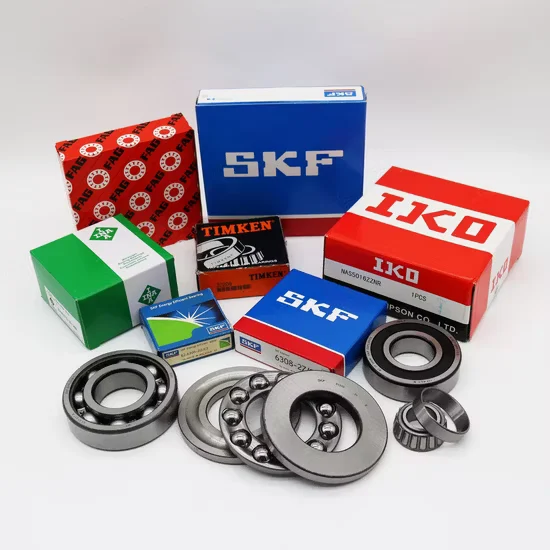 Deep Groove Ball Bearings Genuine FAG 30206 30208 30210 Tapered Roller Bearing Wholesale Supplier View product 02
 Deep Groove Ball Bearings 6017 2rz Deep Groove Ball Bearing for Bike Bicycle Wholesale Supplier View product 03
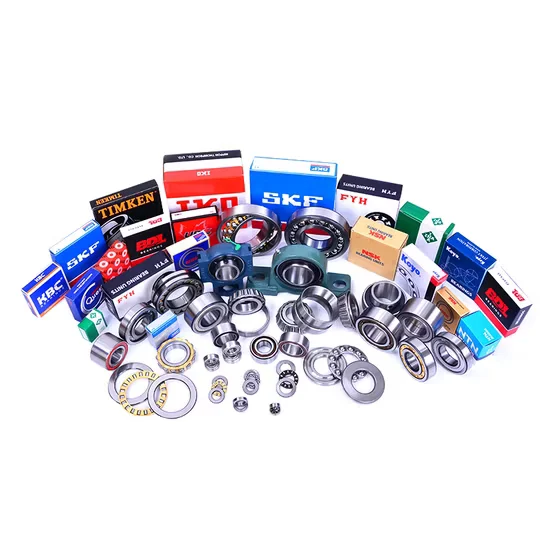 Deep Groove Ball Bearings NSK NTN Timken Koyo NACHI Deep Groove Ball Bearing 6306 Wholesale Supplier View product 04
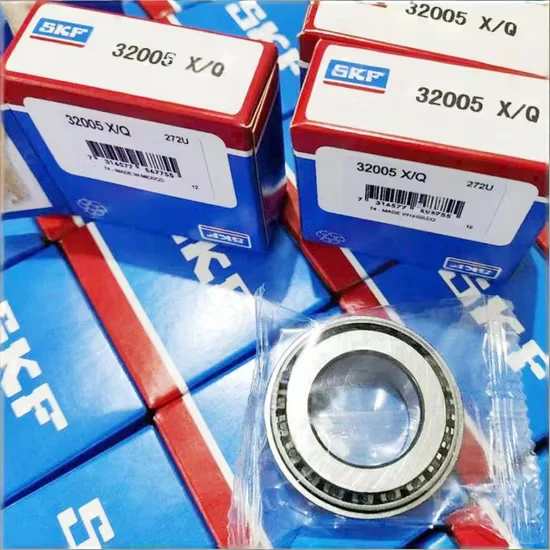 Tapered Roller Bearings SKF 33111 Tapered Roller Bearing Genuine Original Wholesale Supplier View product
Related applications
The equipment and duties this article applies to. Each one links to the SKF bearing types used there.
Quote every model in this article, line by line
Send the SKF models from this article together with your internal stock codes. Each bearing, housing and accessory is quoted on its own line, with its own quantity and specification, and nothing is substituted without your approval.
- Models plus internal codes
- Quantities per line
- Housings and accessories
