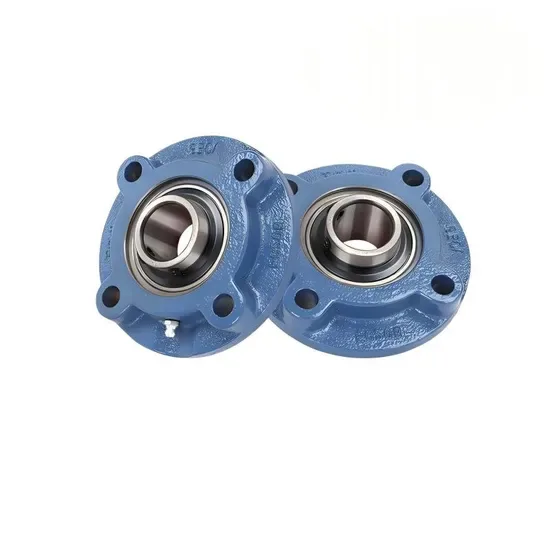
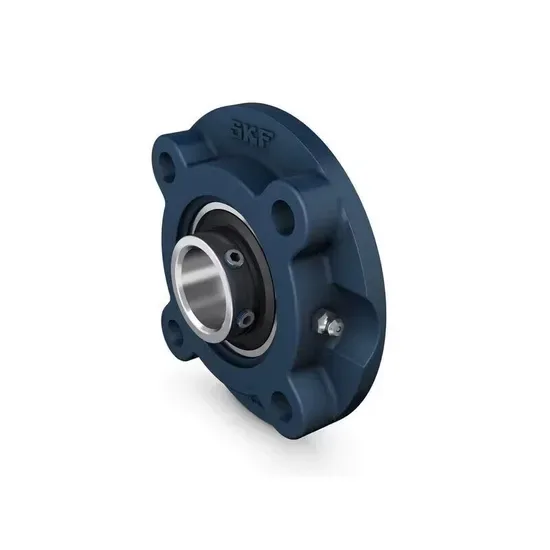
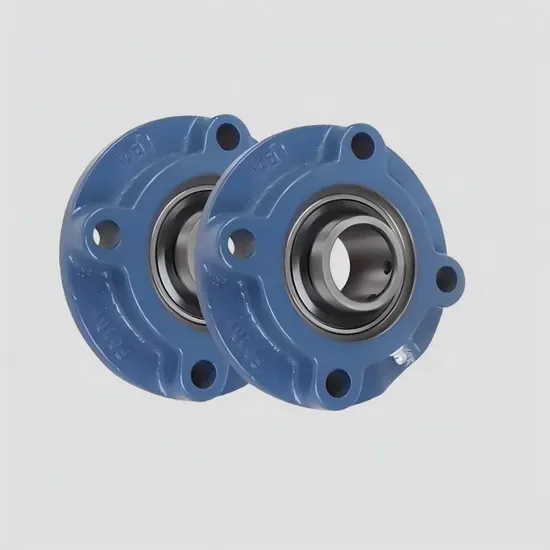
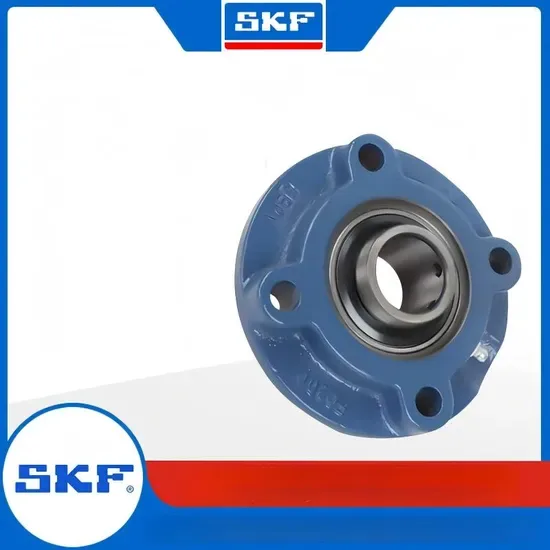
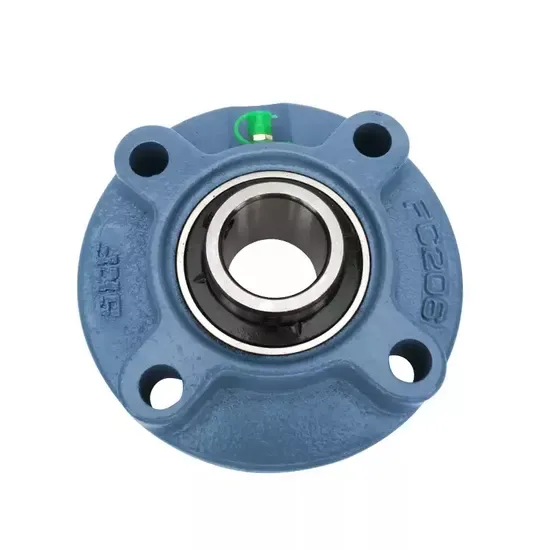
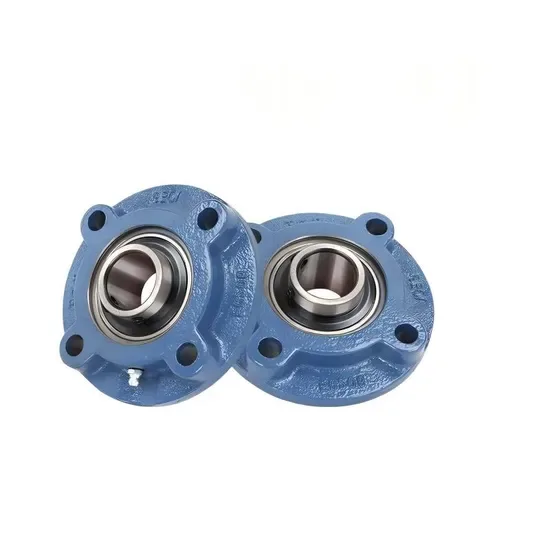
Description
Batch-traced sourcing — Every UCFCX15 extended inner ring round flange insert bearing we ship carries supplier conformity documentation tied to its production lot, supporting origin verification for import filings.
Technical Specifications
| Parameter | Value |
|---|---|
| Designation | UCFCX15 Extended Inner Ring Round Flange Insert Bearing |
| Bearing Type | Insert Bearing with Round Flange Housing |
| Number of Rows | Single |
| Raceway | Spherical Raceway |
| Aligning | Self-aligning |
| Separated | Separated |
| Feature | Corrosion Resistant, High Temperature, High Speed |
| Bearing Block Model | F |
| Customization | Available |
| Transport Package | Carton + Wooden Pallet / Export Standard Packing |
The X15 suffix remains unverified against a specific manufacturer catalog and should be confirmed with the originating brand’s technical documentation before final specification lock-in.
Application Suitability
| Industry | Typical Applications |
|---|---|
| Material Handling | Belt conveyor idler pulleys, transfer chute guide rollers |
| Agricultural Machinery | Grain auger drive shafts, combine harvester fan mounts |
| Industrial Machinery | Packaging line sprocket shafts, vibratory screen eccentric shafts |
What Happens When a Flange Insert Bearing Is Cross-Referenced by Base Number Alone
A mismatched inner ring length can silently destroy a shaft before the first scheduled maintenance window.
Distributors routinely cross-reference UCFC series bearings using the base designation only, overlooking the difference between standard and extended inner rings. When a standard-width inner ring replaces an extended-width original, the setscrew clamping zone shifts relative to the shaft shoulder. The bearing appears to mount correctly, but under sustained radial load the inner ring gradually creeps, fretting the shaft journal and eventually spinning in place. I have seen this pattern on agricultural conveyor drives where harvest-season uptime depends on every shaft connection holding. The resulting unplanned downtime during peak operation windows costs far more than the bearing itself [NEED_CITE: bearing replacement cost versus unplanned downtime ratio in agricultural processing].
Matching the UCFCX15 to High-Vibration, Misaligned Shaft Conditions
The UCFCX15 extended inner ring round flange insert bearing addresses a recurring challenge on conveyor systems and agricultural equipment: shaft deflection under uneven load. The spherical raceway allows the inner ring to self-align within the housing, absorbing angular misalignment without transferring edge stresses to the rolling elements. The extended inner ring provides a wider clamping surface, distributing setscrew forces over a longer shaft section and reducing the point-load concentration that causes journal wear on standard-width designs. When I cross-reference a UCFC unit for a client running vibratory screens or grain augers, I check whether the original OEM drawing called for extended inner ring geometry before substituting any catalog equivalent.
Load Patterns, Contamination, and Thermal Behavior in the Field
Radial loads on insert bearings in conveyor and material handling applications are rarely pure or constant. Belt tension fluctuations, product surge loading, and startup torque spikes create combined loading with a significant shock component. The UCFCX15 handles these through its spherical raceway geometry, which maintains even contact stress distribution even when the shaft deflects under peak load. Temperature variation across a typical operating day introduces thermal expansion in the shaft, making the choice of internal clearance consequential — a standard CN clearance may tighten excessively on a long shaft exposed to afternoon heat, while C3 clearance preserves operating film thickness. Sealing effectiveness matters equally: the housing flange interface must remain square to the mounting surface to prevent contamination ingress at the seal lip, particularly in grain dust or mineral processing environments where particulate penetration accelerates raceway wear [NEED_CITE: contamination particle size versus bearing life reduction per ISO 281].
Reading the Specifications That Actually Matter
The spherical raceway is the defining feature of this insert bearing family. Unlike cylindrical bore bearings that demand precise housing alignment, the UCFCX15 accommodates angular misalignment between shaft and housing — typically up to a few degrees — without inducing edge loading on the balls. This self-aligning capability extends L10 life noticeably in field conditions where frame flex and thermal growth are unavoidable. The single-row ball complement keeps friction low, supporting higher speed operation compared to double-row insert designs, while still carrying the radial loads typical of idler and fan shaft applications. The extended inner ring geometry shifts the setscrew axis farther from the bearing center plane, improving clamping moment and reducing the tendency for inner ring creep under reversing loads. Corrosion-resistant treatment on the housing and raceway surfaces addresses the moisture exposure common in agricultural and food processing installations, where washdown cycles would otherwise accelerate surface pitting. The high-temperature design envelope permits operation in dryer sections and kiln-adjacent equipment without premature grease degradation or dimensional instability.
The Hidden Expense of Substituting Without Verification
Procurement decisions driven by base-number matching alone create downstream costs that never appear on the original purchase order. An insert bearing with standard clearance installed in an application requiring C3 will experience thermal binding as the shaft expands, raising operating temperature until the grease oxidizes and the cage weakens. A counterfeit unit with a soft inner ring — often detectable only by hardness testing — will deform under setscrew torque, losing clamping force and allowing shaft fretting within weeks. ISO 15243 classifies these failure modes under smearing, false brinelling, and fatigue spalling, each pointing back to a selection or authenticity error rather than a design deficiency [NEED_CITE: ISO 15243 rolling bearing failure mode classification]. The bearing itself is inexpensive; the line stoppage, emergency freight, and shaft regrind are not.
How We Reduce Procurement Risk on Insert Bearing Orders
Our sourcing model centers on authorized distributor channels with full batch traceability, meaning every UCFCX15 we supply arrives with documentation linking it back to a verifiable production run. Cross-reference matching goes beyond the base designation: we check inner ring width, setscrew spacing, locking mechanism type, and housing flange bolt pattern before confirming interchangeability with any existing OEM installation. For clients operating across multiple bearing brands, we provide interchange comparison tables that include clearance class, cage material, and seal configuration — not just the number on the box. Country-of-origin documentation accompanies each shipment to support customs clearance and buyer verification in regulated import markets. Material certificates and dimensional inspection reports travel with the goods, giving maintenance teams confidence that what arrives matches the specification they approved.
Documentation & Authenticity
- Supplier Certificate of Conformity referencing the UCFCX15 production batch and lot number
- Material certificate confirming bearing steel grade for inner ring and outer ring components
- Third-party dimensional inspection report verifying housing bore, flange PCD, and inner ring width
- Country-of-origin documentation supporting HS code classification and import permit applications
- QR code verification pathway via the brand’s official mobile application for on-site authenticity checks
Storage, Handling & Mounting
- Keep the UCFCX15 in its sealed export packaging until the moment of mounting; early exposure to humid warehouse air risks surface corrosion on the corrosion-resistant treated raceway before installation
- Store flange units horizontally on pallets to prevent housing distortion; vertical stacking can warp the round flange face and compromise the square-to-shaft seal interface
- Use clean cotton or nitrile gloves when handling the extended inner ring setscrew zone — fingerprint acids accelerate contact corrosion on the clamping surface
- Mount the housing flange with all bolts torqued evenly in a star pattern; uneven tightening distorts the spherical seat and negates the self-aligning capability
- Verify shaft diameter and surface finish against the UCFCX15 bore tolerance before pressing; an undersized shaft eliminates the interference fit that the extended inner ring depends on for creep resistance
Moving Your Inquiry Forward
Share your application parameters — shaft speed, radial and axial load estimates, operating temperature range, and ambient contamination level — so we can confirm the UCFCX15 extended inner ring round flange insert bearing matches your duty cycle or recommend a more suitable variant. If you are replacing an existing bearing, provide the OEM equipment number or the full designation printed on the current unit’s inner ring, and we will cross-reference against our interchange database including clearance and seal configuration. Request the documentation package in advance if your import regulations require origin verification before shipment.
Frequently Asked Questions
Q: How does the extended inner ring on the UCFCX15 differ from a standard-width insert bearing?
A: The extended inner ring provides a longer setscrew clamping zone, distributing holding force over a greater shaft length. This reduces point-load stress on the shaft journal and improves resistance to inner ring creep under reversing or shock loads common in conveyor and agricultural applications.
Q: What cross-reference checks are needed when replacing an existing UCFC flange bearing?
A: Beyond matching the base designation, verify inner ring width, locking mechanism type, housing flange bolt circle diameter, and internal clearance class. A bearing that matches on number alone but differs in any of these parameters can cause installation interference or premature field failure.
Q: Can the UCFCX15 self-aligning feature compensate for all shaft misalignment?
A: The spherical raceway accommodates moderate angular misalignment between shaft and housing, typically arising from frame flex or thermal growth. It does not compensate for gross parallel offset or severe housing distortion from improper mounting, which should be corrected at the structural level.
Q: How do I verify the authenticity of a UCFCX15 received from a distributor?
A: Check the production batch marking against the accompanying Certificate of Conformity, scan any QR code using the brand’s official mobile application, and compare the physical dimensions and surface finish against published specifications. Hardness testing of the inner ring can reveal counterfeit units with substandard heat treatment.
Q: What clearance class should I specify for a high-temperature conveyor application?
A: Applications with sustained elevated shaft temperatures typically require C3 or greater clearance to maintain adequate operating film thickness as the inner ring expands thermally. Provide your operating temperature range and shaft length so we can confirm the appropriate clearance selection.
Secure Your UCFCX15 Specification Review
Submit your application parameters or OEM equipment number, and we will return a cross-reference confirmation with clearance, seal, and flange compatibility verified.
Contact our technical sourcing team through your preferred channel to initiate the inquiry.