

Description
Verified Material Traceability — High-temperature stainless steel grades validated by mill certificates and heat treatment reports ensure dimensional stability above 250°C for sugar mill evaporators and centrifuges.
Technical Specifications
| Parameter | Value |
|---|---|
| Designation | High Temperature Stainless Steel Bearing 250C (Generic) |
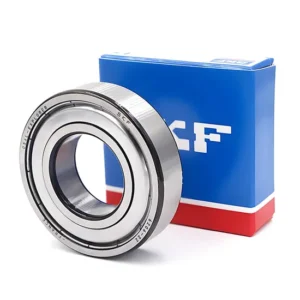
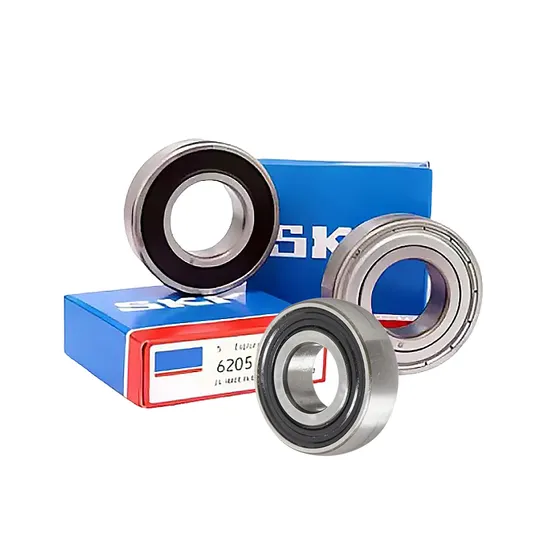
| Bearing Type | Deep Groove Ball Bearing |
| Operating Temperature Range | Up to 250°C (title rating); extended range 300–1000°C per supplier data (verify against specific grade) |
| Material | Stainless Steel |
| Seal or Shield Type | Open |
| Lubrication | High-temperature lubrication required (field-applied) |
| Origin | China |
Note: "250C" functions as a temperature rating designation rather than a standard manufacturer suffix; confirm dimensional series, clearance class, and cage material against the supplier’s catalog before ordering.
Application Suitability
| Industry | Typical Applications |
|---|---|
| Sugar & Food Processing | Evaporator shaft bearings, centrifuge basket supports |
| Industrial Machinery | High-temperature fan shafts, kiln roller bearings |
| Steel & Metallurgy | Continuous caster guide rolls, heat treatment conveyor idlers |
When Standard Chrome Steel Fails Before the Crushing Season Ends
A bearing rated for 250°C must deliver on material, clearance, and cage design — not just a temperature stamp on the box.
In sugar mills across Oyo State and the wider West African processing belt, evaporator shafts routinely see surface temperatures that push standard chrome steel bearings past their limits. The soft inner rings on unverified "high-temp" replacements deform under sustained radial load, and pressed-steel cages collapse once the lubricant breaks down. A single seized shaft during peak crushing can idle an entire evaporation train, and the resulting lost throughput dwarfs a full year of bearing spend [NEED_CITE: unplanned downtime cost in sugar processing operations]. That is why confirming stainless steel grade, thermal clearance class, and cage material matters more than the base designation alone.
Matching the Bearing to Sustained Thermal Load
A High Temperature Stainless Steel Bearing 250°C for sugar mill and industrial equipment must be selected around the actual thermal profile at the shaft, not just the ambient rating on the data sheet. Evaporator bearings endure continuous heat soak from steam chests, while centrifuge baskets cycle between washdown moisture and elevated spin temperatures. Stainless construction resists the corrosion that carbon steel develops under repeated CIP exposure, and the open design lets maintenance teams pack high-temperature grease matched to the measured shaft temperature rather than relying on a factory fill that may not survive the first week. When we supplied a replacement set for a four-effect evaporator in Kano, cross-checking the bore tolerance and verifying C3 clearance against thermal growth at operating temperature prevented the binding that had destroyed the previous supplier’s units within a single season.
Thermal Cycling, Washdown, and the Corrosion Factor
Sugar mill environments combine steam exposure, raw juice splash, and high-pressure washdown into one of the harshest bearing habitats in industrial processing. Radial loads on evaporator shafts remain steady, but thermal cycling between shutdown and full steam produces repeated expansion and contraction that accelerates fatigue on mismatched clearance classes. Stainless steel resists pitting from acidic juice condensate that would etch standard bearing races, and open-type construction avoids the seal lip degradation that rubber-lipped bearings suffer above 120°C. Lubrication intervals shorten dramatically at elevated temperatures, so the grease selection must account for both thermal stability and resistance to washout during CIP cycles [NEED_CITE: lubrication interval reduction at elevated bearing operating temperatures]. Mounting practices also shift — induction heating must be controlled to avoid sensitizing stainless alloys, and shaft fit tolerances need recalibration for the higher thermal expansion coefficient of stainless versus chrome steel.
What the Specs Actually Mean in the Field
The stainless steel material choice directly addresses corrosion-driven pitting that creates stress risers on raceways in humid, acidic environments. At sustained temperatures above 200°C, standard bearing steel loses hardness through tempering, but austenitic or martensitic stainless grades retain structural integrity well past that threshold. The open bearing configuration eliminates seal friction heat — a non-negotiable advantage when the shaft is already running near the lubricant’s thermal ceiling — but shifts contamination responsibility to the housing seal design. Clearance class becomes critical because thermal expansion of both shaft and inner ring consumes internal clearance; a standard CN bearing installed at room temperature will bind once the shaft reaches operating temperature, making C3 or even C4 mandatory for this thermal envelope [NEED_CITE: thermal expansion effect on bearing internal clearance].
The Hidden Cost of Skipping Verification
Correct material selection paired with a verified supply chain prevents the kind of failure that shuts down processing lines mid-season. Counterfeit or mislabeled high-temperature bearings often carry stainless branding but use lower-grade alloys that soften under sustained heat, leading to raceway spalling that ISO 15243 classifies as surface fatigue accelerated by material deficiency. Wrong clearance selection produces thermal binding that manifests as elevated vibration within days, followed by cage failure and eventual shaft seizure. These outcomes carry costs far beyond replacement — unplanned downtime during peak crushing, emergency freight for replacement shafts, and voided equipment warranties all compound quickly [NEED_CITE: bearing failure classification modes per ISO 15243].
How Our Sourcing Process Protects Your Operation
Every high-temperature bearing we supply passes through authorized distributor channels with full batch traceability from the manufacturer’s production facilities. We verify stainless steel grade against mill certificates rather than accepting supplier claims at face value, and we cross-reference dimensional data including bore, OD, and width tolerances before shipment. Our cross-brand interchange database matches not just the base number but also clearance class, cage material, and precision grade so substitutions maintain field performance. For import buyers, we provide country-of-origin documentation and HS code guidance to smooth customs clearance. Material certificates and dimensional inspection reports ship with every order, giving your maintenance team the documentation needed for compliance audits and warranty claims.
Documentation & Authenticity
- Mill certificate confirming stainless steel alloy designation (e.g., AISI 440C or equivalent high-temperature grade) with heat number traceability
- Heat treatment report verifying dimensional stability at rated 250°C operating temperature for evaporator and centrifuge applications
- Third-party dimensional inspection covering bore, outside diameter, and width tolerances against ISO 492 specifications
- Country-of-origin certificate supporting import documentation and customs clearance in destination markets
- Certificate of Conformity linking batch number to production lot for full supply chain traceability
Storage, Handling & Mounting
- Retain original packaging with moisture barrier until mounting — stainless steel surfaces resist corrosion better than chrome steel but remain vulnerable to chloride pitting in coastal sugar mill storage areas
- Apply high-temperature grease immediately before installation since the open bearing design ships without factory lubrication; grease selection must match the measured shaft operating temperature
- Control induction heating temperature during mounting to avoid sensitization of stainless steel microstructure, which reduces corrosion resistance in juice-exposed positions
- Verify shaft fit tolerance accounts for stainless steel’s higher coefficient of thermal expansion compared to standard bearing steel to prevent binding at 250°C operating temperature
- Install housing seals to compensate for the open bearing configuration — external labyrinth or lip seals must handle steam and juice splash contamination at the evaporator shaft
Start Your Technical Review
Share your evaporator or centrifuge operating parameters — shaft temperature, radial load, speed, and washdown frequency — so we can confirm clearance class, grease compatibility, and stainless grade for your specific position. Provide OEM equipment numbers if available, and we will cross-reference against our interchange database to verify dimensional compatibility. Request the documentation package including material certificates and origin papers to align with your import compliance requirements.
Frequently Asked Questions
Q: How do I verify the stainless steel grade of a high-temperature bearing and avoid counterfeit products?
A: Request a mill certificate that specifies the alloy designation (such as AISI 440C or 420) with a traceable heat number. Cross-check the certificate issuer against known steel mills. For additional verification, a portable XRF analyzer at receiving can confirm chromium and nickel content matches the certified grade. Counterfeit units often pass visual inspection but fail material composition checks.
Q: What lubrication is required for bearings operating continuously above 250°C?
A: Standard lithium-complex greases break down well below this threshold. Perfluoropolyether (PFPE) or solid lubricant compounds such as molybdenum disulfide or graphite-based pastes are typical choices. The open bearing design allows field application, but the grease must be selected based on measured shaft temperature rather than ambient rating, and relubrication intervals must account for accelerated thermal degradation [NEED_CITE: high-temperature lubricant selection for bearings above 250°C].
Q: How should I select the correct clearance class for high-temperature thermal expansion?
A: At 250°C, shaft and inner ring expansion consume internal clearance significantly. C3 clearance is the typical minimum for this temperature range, and C4 may be required for tight shaft fits or high thermal gradients. The selection depends on shaft diameter, interference fit magnitude, and the temperature differential between inner and outer rings. We calculate the required clearance based on your submitted operating parameters before confirming the order.
Q: What documentation should I request when sourcing high-temperature stainless steel bearings from China?
A: At minimum, request a Certificate of Conformity tied to the production batch, a mill certificate for the stainless steel alloy, a heat treatment report, and a dimensional inspection report. For import purposes, also request a country-of-origin certificate and the correct HS code classification. These documents should reference the same batch or serial number for full traceability.
Q: Can I cross-reference this bearing to a specific SKF, NSK, or FAG high-temperature equivalent?
A: Cross-referencing requires matching not just the bore and OD but also the stainless steel grade, clearance class, and cage material. Standard catalog bearings from major brands may not carry the same temperature rating or alloy specification. Submit your current bearing designation and application parameters, and we will identify which parameters align across brand lines and where custom configuration may be necessary.
Confirm Your High-Temperature Bearing Specification
Send us your operating temperature, shaft dimensions, and load data so we can verify material grade, clearance, and lubrication compatibility before your next crushing season. Contact our engineering team through the inquiry form or reach us via the channels listed in our company profile.