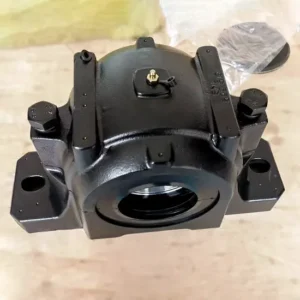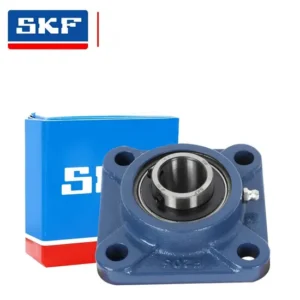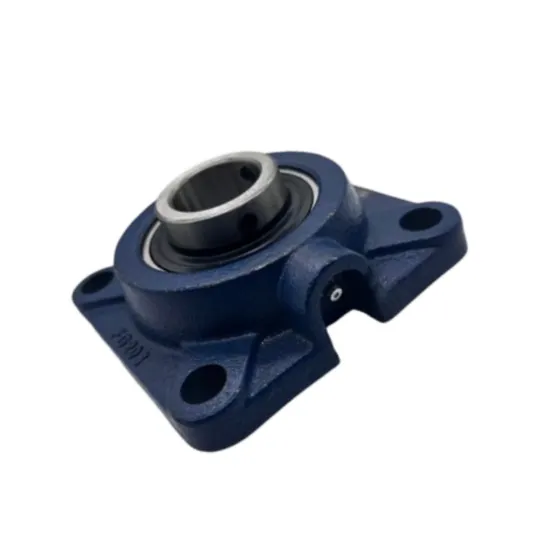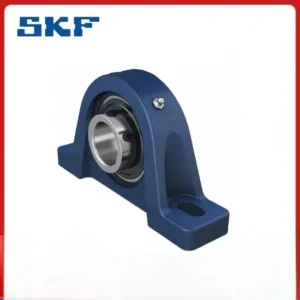
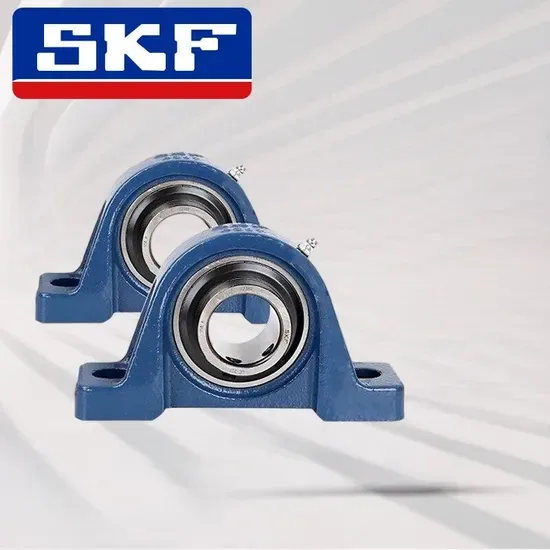
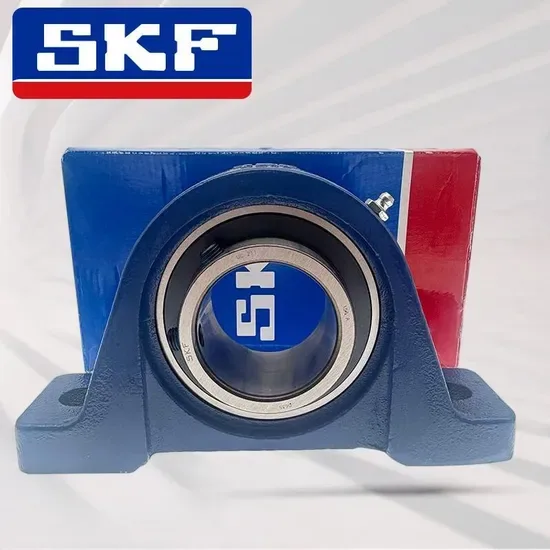
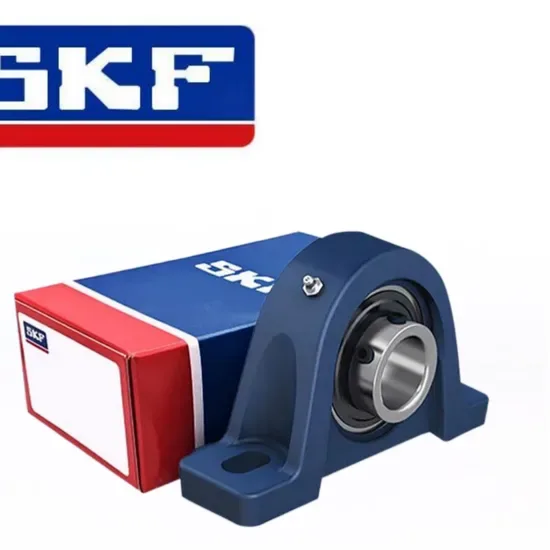
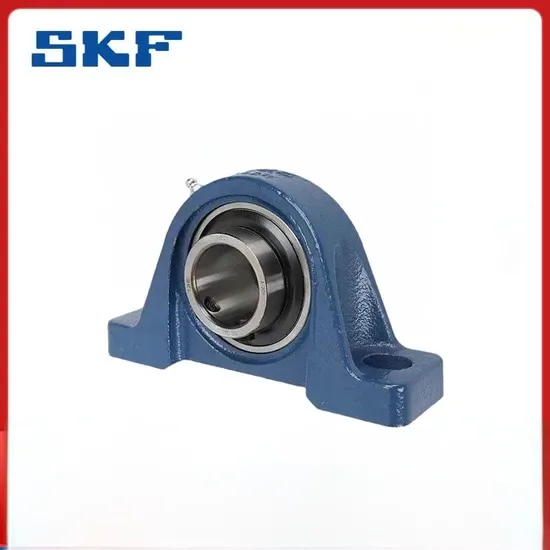
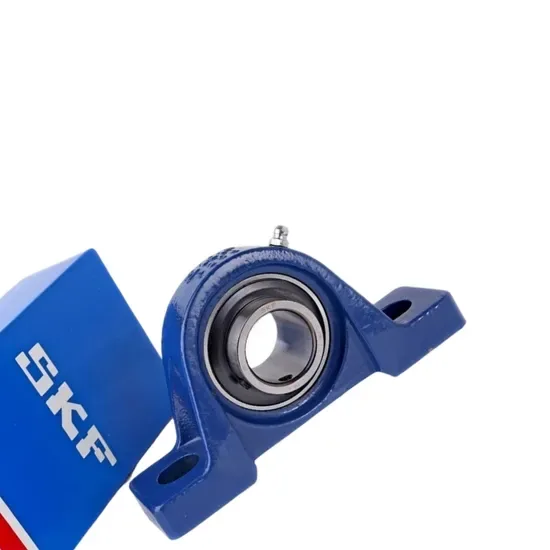
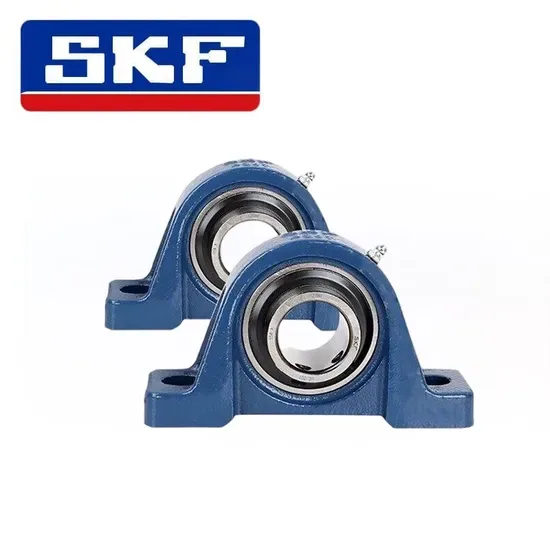
Description
Authorized Channel Sourcing — Every UCP326 pillow block bearing unit ships with batch-level traceability back to the manufacturer’s authorized distributor network.
Technical Specifications
| Parameter | Value |
|---|---|
| Designation | UCP326 Pillow Block Bearing Unit |
| Bearing Type | Pillow Block (Insert Bearing with Housing) |
| Bore Diameter (d) | 130 mm |
| Housing Series | 3 (Heavy-Duty) |
| Housing Model | F (Square Base) |
| Locking Method | Set-Screw |
| Raceway | Spherical |
| Number of Rows | Single |
| Separated | Yes |
| Features | Corrosion Resistant, High Temperature, High Speed |
| Alignment Capability | Self-Aligning |
| Customization | Available |
| Transport Package | Carton + Wooden Pallet / Export Standard Packing |
Application Suitability
| Industry | Typical Applications |
|---|---|
| Mining and Crushing | Conveyor drive pulley shafts, vibrating screen eccentric mounts |
| Agricultural Machinery | Combine harvester grain auger supports, tractor PTO driveline bearings |
| Material Handling | Belt conveyor idler rollers, bucket elevator head shafts |
| Industrial Machinery | Mixer drum trunnion supports, fan shaft pillow blocks |
Why Shaft Misalignment Destroys Conveyor Pillow Blocks
Most UCP326 field failures trace back to housing rigidity and clearance mismatches, not steel quality.
A mining operation in northern Chile replaced conveyor pillow blocks twice a year. The previous supplier matched the base designation but shipped units with standard internal clearance where thermal expansion demanded a C3 class. The inner ring expanded under sustained load, collapsed the internal clearance, and the cage deformed within months [NEED_CITE: bearing failure modes related to thermal expansion and clearance loss]. The UCP326 pillow block bearing unit solves this through its spherical raceway insert, which self-aligns to compensate for housing misalignment, but only when the internal clearance matches the operating temperature range. A supplier who ignores suffix detail and ships CN clearance into a high-heat environment is selling you unplanned downtime.
Matching the UCP326 to High-Load Conveyor Duty Cycles
The 3-series heavy-duty housing on this UCP326 pillow block bearing unit spreads radial loads across a wider base footprint, reducing stress concentration at the mounting bolts during shock loading on inclined conveyors. The set-screw locking collar grips the shaft without requiring an adapter sleeve, cutting MRO replacement time when maintenance crews work in confined spaces beneath transfer chutes. For operations running continuous shifts in dusty environments, the separated construction lets technicians swap the insert without replacing the entire housing — a practical advantage when lead times stretch and the plant cannot afford a full-unit swap.
Operating Environments That Push Pillow Blocks Beyond Their Limits
Radial loads on conveyor drive shafts often combine with moderate axial thrust from belt tension, demanding an insert that handles combined loading without edge stress on the raceway [NEED_CITE: combined load effects on spherical outer ring bearings]. Operating temperatures above ambient heat-soak the housing from the process side, shrinking internal clearance and forcing the lubricant to thin. Grease re-lubrication intervals shorten significantly in high-dust zones like crushing plants, where fine particulate penetrates worn seals and accelerates cage wear. Set-screw locking works well on shafts with consistent rotational direction, but frequent reversal can loosen the collar over time — a detail worth flagging during specification review. Installation on shafts with surface imperfections or out-of-round conditions risks uneven clamping force, leading to inner ring creep and fretting corrosion.
Decoding the UCP326 Designation and What Each Digit Controls
The "UC" prefix identifies a spherical outer ring insert with set-screw locking, designed for moderate-speed, moderate-load industrial shafting. The "P" confirms a standard pillow block housing orientation — shaft parallel to the mounting surface. The "3" indicates the heavy-duty series with a wider housing base and larger mounting bolt pattern than the lighter 2-series, distributing load over a broader area for vibrating or shock-loaded equipment. The "26" bore code translates to a 130 mm shaft diameter per the standard UC bore table. The spherical raceway geometry is the critical feature: it allows the insert to pivot within the housing bore, compensating for angular misalignment from shaft deflection, foundation settling, or fabrication tolerances in the supporting structure. Without this self-aligning capability, edge loading concentrates contact stress on one side of the raceway, accelerating spalling [NEED_CITE: misalignment effects on bearing contact stress distribution per ISO 281].
The Downtime Cost of a Suffix Mismatch on a 130 mm Shaft
Specifying a standard-clearance UCP326 unit for an application that requires C3 clearance does not produce an immediate failure — it produces a delayed one. The bearing runs normally at startup, but as the process heats the shaft and housing, thermal growth closes the internal clearance gap. Metal-to-metal contact between rolling elements and raceway generates additional heat, creating a feedback loop that ends in cage deformation or seizure. Pulling a failed unit off a 130 mm conveyor shaft often requires torch work, damages the shaft journal, and extends the outage by hours or days beyond a planned swap [NEED_CITE: ISO 15243 classification of bearing damage from inadequate clearance]. Sourcing the UCP326 pillow block bearing unit from a supplier who confirms clearance class, housing bolt pattern, and insert locking method — not just the base number — prevents these cascading costs.
How Verification Works Before Your UCP326 Ships
Our procurement chain routes through authorized distributor channels with documentation that ties each batch back to the manufacturer’s production lot. Cross-reference requests are matched across clearance class, housing dimensions, and locking method — not merely the base designation — so a substitute unit drops in without field modification. Every shipment includes dimensional inspection data covering bore tolerance, housing bolt-hole spacing, and center height against the OEM drawing. For import-sensitive destinations, country-of-origin documentation and HS code support arrive with the shipping package, reducing customs hold-ups at the port of entry. Material certificates and Certificate of Conformity documents travel with the goods, giving your receiving team verifiable paperwork before the units reach the storeroom.
Documentation & Authenticity
- Supplier Certificate of Conformity tied to the specific UCP326 production batch, confirming the insert and housing originate from authorized channels
- Material certificate for both the insert bearing rings (GCr15 / 100Cr6 equivalent) and the cast-iron housing, available before shipment
- Dimensional inspection report verifying 130 mm bore tolerance, F-model housing bolt pattern, and center height against standard drawings
- Country-of-origin certificate and HS code documentation prepared for import clearance in Latin American, African, and Middle Eastern ports
- QR code verification pathway shared where the manufacturer supports official app-based authentication of the insert bearing
Storage, Handling & Mounting
- Keep the UCP326 unit in its export-standard carton and wooden pallet wrapping until installation day; early exposure to humid warehouse air corrodes the spherical outer ring surface before the unit ever reaches the shaft
- Store heavy-duty 3-series pillow blocks horizontally on a flat rack — stacking them vertically risks deforming the F-type housing base and shifting bolt-hole alignment
- Use clean gloves when handling the set-screw locking collar; skin oils on the screw threads reduce clamping torque retention under vibration on conveyor applications
- Align the housing base to the mounting surface using a straight edge before tightening bolts; forcing alignment through bolt torque alone preloads the spherical raceway and defeats the self-aligning feature
- Confirm shaft diameter and surface finish at the journal before pressing the 130 mm bore insert into position — an out-of-round shaft distorts the inner ring and accelerates raceway spalling
- Apply the recommended grease fill through the housing re-lubrication fitting after mounting; running the unit dry during initial startup scores the spherical raceway before the first shift ends
Requesting a Quotation for Your UCP326 Requirement
Share your operating parameters — shaft speed, ambient and process temperature, load type, and duty cycle — so we can confirm the correct internal clearance and verify compatibility with your housing envelope. If you are replacing an existing unit, provide the OEM equipment number or the full designation from the failed bearing nameplate for cross-reference verification across brands. We will return a quotation with confirmed lead time, batch availability, and the documentation package your import process requires.
Frequently Asked Questions
Q: What does each part of the UCP326 designation mean?
A: UC identifies a spherical outer ring insert with set-screw locking. P confirms the pillow block housing style. The digit 3 specifies the heavy-duty housing series with a wider base and larger bolt pattern. The digits 26 correspond to a 130 mm bore diameter per the standard UC bore code table.
Q: How do I cross-reference a UCP326 across different brands without risking a fitment error?
A: Match more than the base number. Confirm the housing bolt-hole spacing, center height, insert locking method (set-screw vs. eccentric collar vs. adapter sleeve), and internal clearance class. A unit with the same bore but a different housing footprint will not bolt into the existing mounting surface without fabrication.
Q: How can I verify the authenticity of the UCP326 pillow block bearing unit before installation?
A: Request the batch-level Certificate of Conformity and material certificate before the unit leaves the warehouse. Where supported, scan the QR code on the insert bearing packaging through the manufacturer’s official verification app. Inspect the inner ring hardness indirectly by checking for laser-etched markings — counterfeit inserts often use ink stamps that wear off during handling.
Q: When should I specify a self-aligning pillow block instead of a rigid housing?
A: Choose the spherical raceway insert in a UCP326 unit whenever shaft deflection, foundation settling, or fabrication tolerances create angular misalignment between the shaft and the housing. Rigid housings transfer that misalignment directly into edge loading on the raceway, accelerating premature failure [NEED_CITE: application guidelines for self-aligning vs rigid pillow block selection].
Q: What re-lubrication interval should I plan for a UCP326 unit in a dusty mining environment?
A: High-particulate environments demand shorter re-lubrication intervals than the manufacturer’s baseline recommendation. Purge old grease through the housing fitting until fresh grease appears at the seal lip, pushing out contaminated material. Monitor seal condition during each re-greasing cycle — once the seal lip wears, particulate ingress accelerates regardless of how often you re-lubricate.
Secure Your UCP326 Pillow Block Bearing Unit
Send your application parameters or OEM equipment number to confirm the correct clearance class and cross-reference match.
Contact our technical sales team through your existing inquiry channel or request documentation and batch availability through your regional distributor contact.