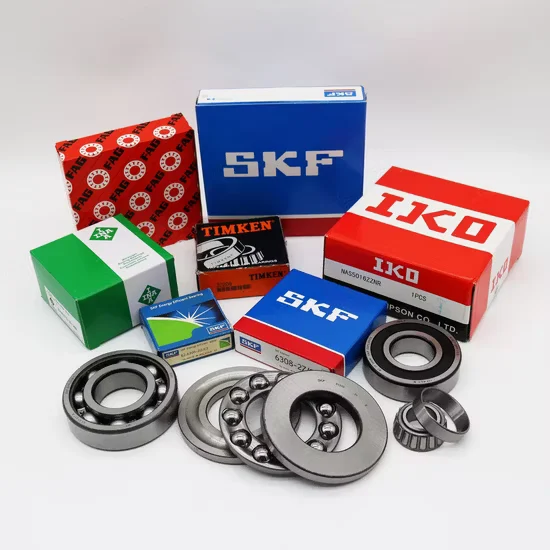
SKF vs SealMaster Bearings for US Conveyor Rebuilds – Wholesale Supplier with Cross-Reference Support
Cross-reference charts only cover the bearing insert — they do not guarantee housing fitment.
SKF and SealMaster pillow block bearings can be interchanged on US conveyor rebuilds, but only after verifying housing bolt-hole patterns, center heights, base widths, seal configurations, and grease volumes against original installation drawings — not catalog numbers alone.
I learned this the hard way. Years ago, on a conveyor rebuild at a sand and gravel operation in West Africa, a client handed me a list of SealMaster SAF pillow block bearings and asked me to quote SKF equivalents. I pulled the standard SKF SealMaster interchange chart, matched the bore sizes, and shipped a full order of SNL-series units. When the crates arrived on site, the housing bolt-hole spacing was off by a few millimeters. Not a single unit dropped into the existing mounting holes. The entire batch had to be air-freighted back, and replacement housings with the correct base dimensions had to be manufactured and shipped at a cost that dwarfed the original order. That single mistake — trusting a cross-reference table without checking housing drawings — taught me that interchange is never just about the bearing. It is about the entire mounted unit. [NEED_CITE: conveyor pillow block housing dimensional standards per CEMA and ISO]
Since then, every SKF vs SealMaster bearings cross-reference request I handle starts with the same question: send me the original bearing nameplate photo and the installation drawing. Only after comparing bolt-hole spacing, center height, seal type, and grease fill volume do I confirm the interchange. [NEED_CITE: SKF SNL vs SealMaster SAF housing dimensional comparison]
Here is what I have learned from years of handling these interchange requests, and what every MRO buyer and conveyor maintenance manager needs to know before placing an order.
Why Cross-Reference Charts Alone Fail on Conveyor Rebuilds
Most interchange tables only match the bearing insert — the housing is a separate engineering problem.
The bearing insert inside a pillow block is standardized by bore diameter, outer diameter, and width. Cross-reference charts map these dimensions between SKF and SealMaster with reasonable accuracy. But the housing — the cast iron or stamped steel shell that bolts to the conveyor frame — is where the real interchange risk lives.
SKF uses the SNL series designation for its split pillow block housings, while SealMaster (originally a Browning/Emerson brand, now under Timken) uses the SAF series. Both series follow general ISO housing principles, but the casting molds, bolt-hole patterns, and base widths were developed independently by each manufacturer. [NEED_CITE: SKF SNL housing dimensional specifications] [NEED_CITE: SealMaster SAF housing dimensional specifications]
Consider a typical scenario: a US aggregate plant is rebuilding a 36-inch conveyor line. The original equipment was fitted with SealMaster SAF 516 pillow blocks. The maintenance manager opens a cross-reference guide and finds that the SKF equivalent bearing insert is a SY-series self-aligning ball bearing unit. The bearing itself fits the shaft. But when the new SKF SNL housing arrives on site, the four mounting bolt holes do not align with the existing holes drilled into the conveyor frame. The result is either re-drilling the frame (which weakens the structure and voids the OEM warranty) or ordering entirely new SKF housings with custom base plates — both of which add cost and delay.
| Dimension Parameter | SKF SNL Series | SealMaster SAF Series | Interchange Risk |
|---|---|---|---|
| Bolt-hole longitudinal spacing | ISO-aligned, brand-specific mold | ISO-aligned, brand-specific mold | High — often differs by several millimeters |
| Center height (shaft to base) | Standard per series | Standard per series | Medium — may require shimming |
| Base width | Narrower on some sizes | Wider on some sizes | High — affects frame mounting |
| Mounting hole diameter | Metric standard | Inch standard on US-spec units | Medium — bolt size mismatch possible |
| Grease fitting location | Top or side, varies by model | Top or side, varies by model | Low — but affects relube access |
This is not a theoretical problem. A maintenance supervisor at a US limestone quarry once told me they had a pallet of SKF pillow blocks sitting in the warehouse for months because the housing base width was too wide for the existing conveyor frame pockets. They had originally ordered based on a cross-reference chart that only confirmed the bearing insert matched. The housing was the bottleneck, not the bearing.
The lesson is simple: never approve a SKF vs SealMaster bearings cross-reference based on bearing insert dimensions alone. The housing must be verified separately. [NEED_CITE: CEMA standard for conveyor idler and pillow block mounting dimensions]
Key Dimension Differences: SKF SNL vs SealMaster SAF Housings
Bolt-hole spacing, center height, and base width are the three dimensions that cause the most field failures during interchange.
When I receive a cross-reference inquiry, the first thing I do is pull the dimensional drawings for both the original SealMaster SAF housing and the proposed SKF SNL housing. I lay them side by side and check three critical measurements.
Bolt-hole longitudinal spacing is the distance between the two mounting holes along the length of the conveyor frame. This is the most common source of fitment failure. SKF SNL housings follow metric-based casting standards, while SealMaster SAF housings for the North American market were originally designed around inch-based frame standards. Even when the bearing bore is identical, the bolt-hole spacing can differ noticeably. In the field, this means the new housing either does not reach the existing holes, or the holes overlap in a way that requires re-drilling. [NEED_CITE: SKF SNL series housing drawing dimensions] [NEED_CITE: SealMaster SAF series housing drawing dimensions]
Center height is the distance from the conveyor frame mounting surface to the centerline of the shaft. If the new housing has a different center height, the belt alignment shifts. On a long conveyor run, even a small center height difference across multiple idler stations compounds into belt tracking problems, edge wear, and material spillage. I have seen conveyor lines where the interchange was technically "correct" on paper, but the belt ran off track within days because the center height was off by a fraction.
Base width determines whether the housing fits into the existing frame pocket or mounting bracket. SKF SNL housings tend to have a narrower base on certain sizes compared to SealMaster SAF equivalents. A narrower base is not necessarily a problem if the frame has slotted holes, but on frames with fixed-diameter mounting holes, a narrower base means the housing shifts laterally under load, causing uneven wear on the bearing insert and premature seal failure.
| Verification Step | What to Check | Tool Required | Common Mistake |
|---|---|---|---|
| Bolt-hole spacing | Longitudinal distance between mounting holes | Caliper or frame drawing | Assuming chart match means housing match |
| Center height | Shaft centerline to base surface | Height gauge or drawing comparison | Ignoring shimming requirements |
| Base width | Housing footprint width | Caliper or frame pocket measurement | Overlooking lateral shift under load |
| Mounting hole diameter | Hole size for anchor bolts | Caliper | Metric vs inch bolt mismatch |
A European mining operator rebuilding a conveyor line in the Democratic Republic of Congo faced exactly this problem. They had original SealMaster housings on the frame and ordered SKF replacements based on a cross-reference table. When the SKF housings arrived, the base width was noticeably narrower. The maintenance team installed them anyway, without shimming or modifying the frame. Within a few months, the bearings on several idler stations showed uneven wear patterns and early seal degradation. The root cause was lateral housing movement under belt load — a problem that would have been caught by checking the base width before ordering. [NEED_CITE: conveyor idler housing lateral movement and bearing wear correlation]
Seal Type Mismatch: The Hidden Cause of Premature Failure
Swapping seal types without checking the operating environment is the most common reason for early bearing failure after interchange.
Bearings are only as good as their seals. On conveyor applications, the operating environment is typically dusty, wet, or both. The seal type determines how well the bearing resists contaminant ingress and retains lubricant.
SKF and SealMaster use different standard seal configurations on their pillow block units. SKF typically equips its SNL-series pillow blocks with labyrinth seals or contact seals depending on the model, while SealMaster SAF-series units often use a combination of labyrinth and lip seal arrangements, with some models featuring proprietary multi-lip designs. [NEED_CITE: SKF pillow block seal type options] [NEED_CITE: SealMaster pillow block seal type options]
When a buyer uses a SKF vs SealMaster bearings cross-reference chart to swap units, the chart confirms the bearing insert matches. It does not confirm the seal matches. If the original SealMaster unit had a heavy-duty labyrinth seal designed for a high-dust environment, and the replacement SKF unit has a standard contact seal not rated for the same contamination level, the bearing will ingest dust. The dust mixes with the grease, forms an abrasive paste, and accelerates wear on the rolling elements and raceways. The bearing fails long before its calculated L10 life.
I have reviewed failure analysis reports from US conveyor operators where the bearing insert was still within dimensional tolerance, but the seal had degraded and allowed contaminant ingress. The root cause was not the bearing — it was the seal. And the seal mismatch happened because the interchange was done at the bearing level without checking the seal specification.
| Seal Characteristic | SKF Standard Options | SealMaster Standard Options | Interchange Risk |
|---|---|---|---|
| Primary seal type | Labyrinth or contact seal | Labyrinth with multi-lip combination | High — dust ingress if downgraded |
| Dust ingress resistance | Varies by model | Varies by model | High — environment must match seal rating |
| Grease retention | Standard lip | Multi-lip or labyrinth-lip combo | Medium — affects relube interval |
| Relube access | Top or side fitting | Top or side fitting | Low — but location affects maintenance access |
A US coal handling plant replaced its SealMaster pillow blocks with SKF equivalents based on a cross-reference chart. The original SealMaster units had a heavy-duty seal designed for coal dust environments. The SKF replacement units had a standard seal not rated for the same contamination level. Within a short period, multiple bearings showed signs of grease contamination and early wear. The maintenance team had to pull the bearings, clean the housings, and install aftermarket seal upgrades — at a cost that exceeded the price difference between the original and replacement units. [NEED_CITE: conveyor bearing failure root cause analysis per ISO 15243]
The fix is straightforward: when doing a SKF vs SealMaster bearings cross-reference, do not just match the bearing insert. Match the seal type to the operating environment. If the original unit had a heavy-duty seal, the replacement must have an equivalent or superior seal rating. If the replacement seal is inferior, either specify an upgraded seal option from the manufacturer or source an aftermarket seal kit designed for the housing.
How to Verify Interchange Before Ordering
Build a three-step verification process — nameplate, drawing, and specification check — before approving any cross-reference order.
After years of handling interchange requests, I have developed a verification workflow that eliminates the most common fitment and performance failures. It is not complicated, but it requires discipline. Every SKF vs SealMaster bearings cross-reference order should go through this process before the purchase order is issued.
Step 1: Photograph the original bearing nameplate. The nameplate contains the manufacturer part number, bore size, housing series, seal type, and sometimes the grease specification. Without this information, you are guessing. I have seen buyers send me a bearing description like "SealMaster 2-inch pillow block" — that is not enough. There are multiple SealMaster pillow block series in 2-inch bore, with different housing dimensions and seal types. The nameplate photo is the starting point. [NEED_CITE: bearing nameplate identification guide]
Step 2: Obtain the original installation drawing. The drawing shows the housing bolt-hole pattern, center height, base width, and mounting hole diameter. If the original drawing is not available, measure the existing housing on the conveyor frame using a caliper or tape measure. Record the longitudinal bolt-hole spacing, the center height from the frame surface to the shaft centerline, and the base width. These three measurements are the minimum required to confirm housing fitment.
Step 3: Compare the SKF SNL and SealMaster SAF housing drawings side by side. Pull the dimensional drawings for both the original SealMaster housing and the proposed SKF replacement. Overlay the bolt-hole spacing, center height, and base width. If any dimension differs, flag it. If the difference is within the tolerance of the existing frame mounting holes (for example, if the frame has slotted holes that allow lateral adjustment), the interchange may still work. If the frame has fixed-diameter holes and the housing base width is narrower, the interchange will likely fail without modification.
| Verification Step | Action Required | Responsible Party | Deliverable |
|---|---|---|---|
| Nameplate photo | Photograph original bearing and housing | Field maintenance team | Clear photo with part number visible |
| Installation drawing | Obtain OEM drawing or measure existing housing | Engineering or maintenance | Dimensional sketch or OEM drawing |
| Dimensional comparison | Compare bolt-hole spacing, center height, base width | Technical sales or engineering | Side-by-side drawing overlay with variance notes |
| Seal type check | Confirm seal type matches operating environment | Technical sales or engineering | Seal specification match or upgrade recommendation |
| Grease volume check | Confirm relube volume and interval match | Technical sales or engineering | Grease specification and volume confirmation |
A Mid-east cement plant rebuilding a raw meal conveyor line followed this process exactly. They had original SealMaster pillow blocks on the frame, and they wanted to switch to SKF for supply chain consolidation. The maintenance team photographed the nameplates, measured the housing dimensions on the frame, and sent the data to the technical sales team. The comparison revealed that the SKF SNL housing had a different bolt-hole spacing than the SealMaster SAF housing. The technical sales team recommended using SKF housings with a custom base plate drilled to match the existing frame holes. The order was placed with the custom base plate specification, and the installation went smoothly — no re-drilling, no shimming, no belt tracking issues. [NEED_CITE: conveyor pillow block interchange verification best practices]
The key takeaway is that verification is not optional. It is the difference between a successful interchange and a costly field failure. Every SKF vs SealMaster bearings cross-reference order should include nameplate, drawing, and specification verification before the order is placed.
When to Request Custom Cross-Reference Support
Complex工况 or legacy equipment conversions require supplier-level technical review — not just a catalog cross-reference table.
Not every interchange is straightforward. Some applications involve legacy equipment where the original manufacturer is no longer in business, or where the original bearing specification has been modified over years of field repairs. In these cases, a standard SKF vs SealMaster bearings cross-reference chart is not enough. You need a supplier who can provide custom cross-reference support — reviewing the original specification, comparing dimensional drawings, verifying seal types, and recommending the correct replacement configuration.
I handle interchange requests from US conveyor operators on a regular basis. Some are simple — a standard SealMaster SAF pillow block on a standard conveyor frame, with a clear SKF SNL equivalent. Others are complex — a modified housing with a custom base plate, a non-standard seal configuration, or a bearing insert that has been substituted multiple times over the years. In the complex cases, the buyer sends me the nameplate photo, the installation drawing, and a description of the operating environment. I review the data, compare the dimensional drawings, check the seal specifications, and provide a detailed cross-reference recommendation — including any custom modifications required for the housing.
| Scenario | Standard Cross-Reference Sufficient? | Custom Support Required? |
|---|---|---|
| Standard SealMaster SAF to SKF SNL, standard frame | Yes — if housing dimensions verified | No |
| Modified housing with custom base plate | No | Yes — custom base plate specification required |
| Non-standard seal configuration | No | Yes — seal upgrade or aftermarket kit recommendation required |
| Legacy equipment, OEM no longer in business | No | Yes — full dimensional and specification review required |
| Multiple prior substitutions, unknown original spec | No | Yes — field measurement and technical review required |
A US steel mill rebuilding a slab conveyor line had original pillow blocks from a manufacturer that had exited the market years earlier. The maintenance team did not have the original drawings, and the nameplates were corroded beyond readability. They sent me photos of the existing housings on the frame, along with measurements of the bolt-hole spacing and center height. Based on the photos and measurements, I identified the original housing series, recommended the SKF SNL equivalent, and specified a custom base plate to match the existing frame holes. The order was placed, the custom housings were manufactured, and the installation was completed without field modification. [NEED_CITE: legacy conveyor bearing interchange case study]
The point is that custom cross-reference support is not a luxury — it is a necessity for complex or legacy applications. A supplier who can provide this level of technical review saves the buyer time, money, and field downtime. When evaluating a SKF vs SealMaster bearings cross-reference supplier, ask whether they offer custom technical review, not just a catalog cross-reference table.
Conclusion
Interchange is about the entire mounted unit, not just the bearing insert.
SKF and SealMaster pillow block bearings can be interchanged on US conveyor rebuilds, but only after verifying housing dimensions, seal types, and grease specifications against original installation data. Cross-reference charts are a starting point, not a finish line. Nameplate verification, dimensional comparison, and seal matching are the three steps that separate a successful interchange from a costly field failure. For complex or legacy applications, custom cross-reference support from a technically capable supplier is essential.
SKF bearings mentioned here
These are the SKF bearing types covered in this article. Open a product to check its designation, category and details before you add it to your list.
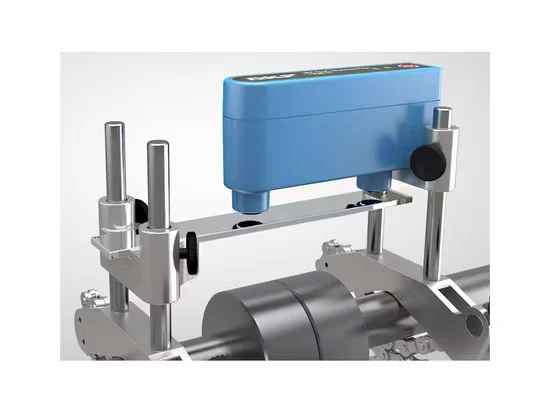 Uncategorized SKF TKSA 11 Shaft Alignment Tool Genuine Industrial Maintenance View product 02
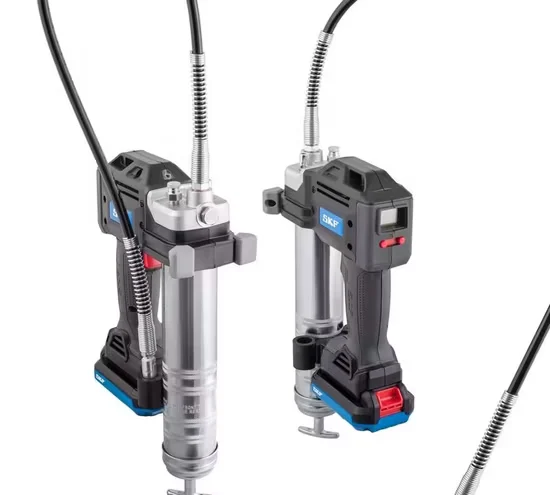 Uncategorized SKF TLGB 20/110V Battery Powered Grease Gun View product 03
 Deep Groove Ball Bearings SKF 16001 16002 16003 16004 16005 Deep Groove Ball Bearing for Winder Worldwide Use View product 04
 Deep Groove Ball Bearings Genuine SKF 6022 6021 6020 6019 6018 Deep Groove Ball Bearing for Cars Tractors View product
Related applications
The equipment and duties this article applies to. Each one links to the SKF bearing types used there.
Quote every model in this article, line by line
Send the SKF models from this article together with your internal stock codes. Each bearing, housing and accessory is quoted on its own line, with its own quantity and specification, and nothing is substituted without your approval.
- Models plus internal codes
- Quantities per line
- Housings and accessories