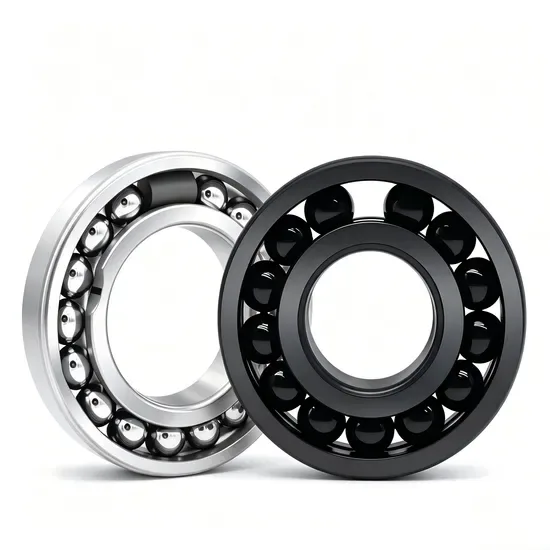
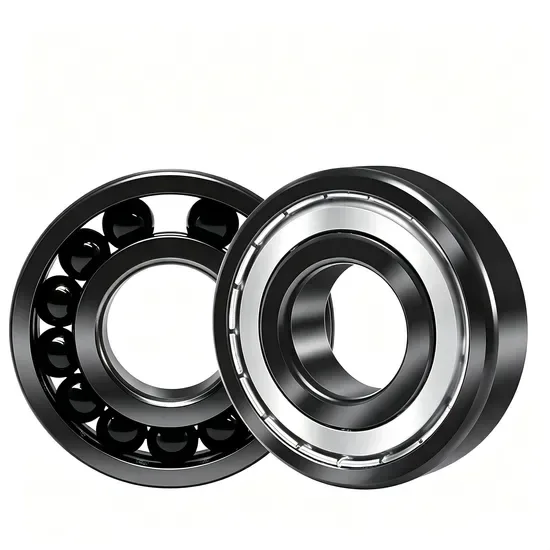
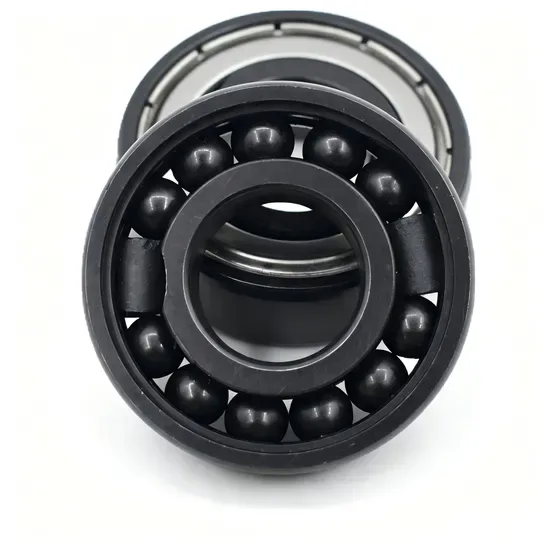
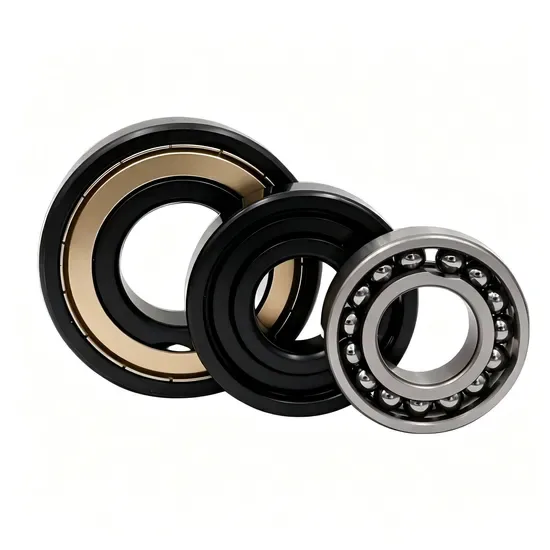
Description
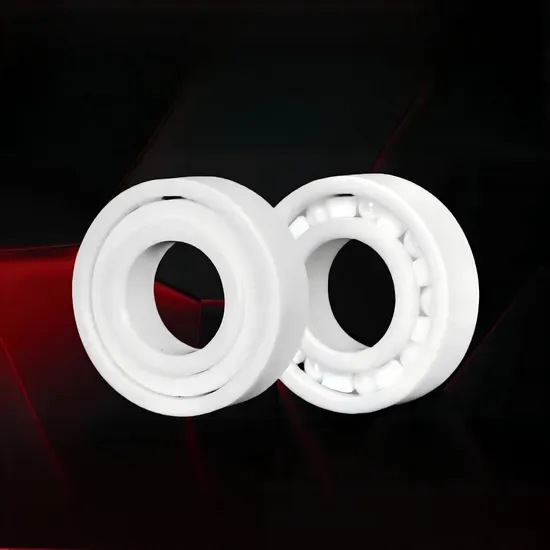
Traceable Batch Sourcing — Each ceramic high-temperature bearing ships with a Certificate of Conformity and material composition declaration linking the production lot to furnace-grade ceramic certification records.
Technical Specifications
| Parameter | Value |
|---|---|
| Designation | 800C High Temperature Ceramic Bearing |
| Bearing Type | High Temperature Ceramic Bearing |
| Operating Temperature Range | 300–1000°C |
| Feature | Corrosion Resistant, Antimagnetic, High Temperature, High Speed |
| Certification | RoHS, CE |
| Customization | OEM/ODM Available |
| Application | Industrial Equipment, Lithium Battery Sintering Furnace, Roller Press |
| Origin | China |
The "800C" designation is an application-grade temperature class marking; confirm exact bore, outside diameter, and width dimensions against the manufacturer catalog for your specific furnace roller or press fit.
Application Suitability
| Industry | Typical Applications |
|---|---|
| Lithium Battery Manufacturing | Sintering furnace conveyor rollers, cathode material calcination kiln shafts |
| Powder Metallurgy | Roller press compaction drums, hot isostatic press guide rolls |
| Ceramics & Advanced Materials | Continuous kiln car wheel axles, high-temperature zone transfer rollers |
| Steel & Metallurgy | Annealing line sink rolls, heat treatment furnace hearth rollers |
What Happens When Steel Bearings Enter a 800°C Sintering Zone
Ceramic construction eliminates the three failure modes that destroy steel bearings inside lithium battery sintering furnaces: lubricant carbonization, cage collapse, and thermal expansion seizure.
Standard deep groove ball bearings rated for typical industrial service begin degrading well before the temperatures found in sintering furnace hot zones. The grease breaks down into carbon deposits, the polymer cage softens and fragments, and the inner ring expands faster than the shaft tolerance allows — locking the roller solid mid-production. Maintenance crews then face unplanned line stoppages, product scrap from interrupted thermal profiles, and repeat failures if the replacement bearing is the same steel specification [NEED_CITE: bearing failure modes under extreme thermal stress per ISO 15243]. A High Temperature Ceramic Bearing 800°C for Lithium Battery Sintering Furnace and Roller Press applications removes these failure vectors entirely by replacing steel with silicon nitride or zirconia elements that do not rely on conventional lubrication.
Matching Ceramic Elements to Sintering Furnace Load Profiles
Sintering furnace rollers carry moderate radial loads at low to moderate speeds, but the continuous thermal soak is the governing design constraint. The High Temperature Ceramic Bearing 800°C for Lithium Battery Sintering Furnace environments uses ceramic rolling elements that maintain structural integrity without oil or grease, relying on dry-film solid lubricants or self-lubricating cage materials rated for the 300–1000°C operating window. We once replaced a set of failed steel bearings on a cathode calcination line where the maintenance team had been re-greasing weekly — the ceramic conversion eliminated that entire maintenance task and the associated contamination risk to the battery material stream.
Thermal Soak, Chemical Exposure, and Magnetic Sensitivity
Inside a lithium battery sintering furnace, the bearing must endure sustained radiant heat, occasional corrosive off-gassing from binder burnout, and strict non-magnetic requirements to avoid interference with downstream material characterization. Ceramic materials inherently resist chemical attack from most furnace atmospheres and exhibit no magnetic signature — addressing two constraints that would require exotic coatings or austenitic steel workarounds if conventional bearings were used. Roller press applications add intermittent shock loading during powder compaction cycles, requiring the ceramic elements to withstand impact without micro-cracking [NEED_CITE: ceramic bearing performance under combined thermal and impact loading conditions]. The High Temperature Ceramic Bearing 800°C for Lithium Battery Sintering Furnace and Roller Press service is engineered for exactly this combination of sustained heat and mechanical impulse.
Decoding the Temperature Class and Material Selection
The 300–1000°C operating range reflects the span across different ceramic material grades and solid lubricant systems. Silicon nitride elements typically serve the upper range with excellent thermal shock resistance, while zirconia offers higher fracture toughness for applications with shock loads at somewhat lower peak temperatures. The cage material — often a machined graphite or advanced composite — must match the temperature class, because cage failure precedes rolling element failure in most high-temperature breakdown sequences. Corrosion-resistant and antimagnetic properties stem from the ceramic material itself rather than applied coatings, meaning surface degradation over service life does not compromise these characteristics. RoHS and CE certification confirm material compliance for export into regulated manufacturing markets.
The Downtime Multiplier Behind Incorrect High-Temperature Specifications
Selecting a bearing rated only to 350°C for a furnace zone that peaks at 700°C does not produce a gradual decline — it produces sudden seizure during a production run, potentially damaging the roller shaft, ruining the batch of sintered cathode material, and forcing a full furnace cooldown for extraction. The cost of the bearing itself is negligible compared to the scrapped product, the emergency maintenance labor, and the missed shipment deadlines that follow. ISO 281 life calculations do not apply in the conventional sense once the lubricant system exceeds its thermal limit, because the failure mechanism shifts from fatigue spalling to thermal seizure [NEED_CITE: limitations of ISO 281 life calculation under extreme temperature conditions]. Specifying a High Temperature Ceramic Bearing 800°C for Lithium Battery Sintering Furnace duty from a verified source prevents this category of loss.
How Procurement Engineers Validate High-Temperature Ceramic Sources
We source through channels that provide batch-level traceability for ceramic components — not just the assembled bearing. Each shipment includes a Certificate of Conformity specifying the ceramic material grade, and we support cross-referencing your existing furnace OEM part number against available ceramic bearing dimensions and temperature ratings. When a plant in the Yangtze River manufacturing region needed a non-standard bore size for a legacy sintering line, we coordinated OEM/ODM customization with full dimensional inspection documentation before release. Origin documentation and HS code support are prepared for import clearance, removing delays at customs that generic suppliers frequently overlook. Every inquiry receives application-based selection review to confirm the temperature class and material actually match your furnace zone conditions.
Documentation & Authenticity
- Supplier Certificate of Conformity declaring ceramic material composition (silicon nitride or zirconia grade) and maximum continuous service temperature for each batch
- Third-party dimensional inspection report verifying bore, OD, and width tolerances before shipment — critical for furnace roller press-fit applications
- Batch and lot traceability documentation linking each bearing to its ceramic powder sintering production record
- Country-of-origin certificate prepared for import compliance in destination markets with strict material provenance requirements
- RoHS and CE compliance declarations matching the certifications listed on product documentation
- HS code classification support to accelerate customs clearance for high-temperature ceramic industrial components
Storage, Handling & Mounting
- Retain original sealed packaging until the moment of installation; ceramic surfaces can be contaminated by metallic shop dust that compromises antimagnetic performance in lithium battery production lines
- Store below 50°C and away from direct UV exposure to preserve the integrity of any dry-film solid lubricant applied to the ceramic bearing components
- Use clean, lint-free gloves during handling — fingerprint oils and machining residue on ceramic elements can carbonize during initial furnace heat-up and create localized hot spots
- For press-fit installations on sintering furnace rollers, verify shaft tolerance against the ceramic inner ring’s thermal expansion coefficient, which differs significantly from steel
- Do not apply conventional grease or oil during mounting; this High Temperature Ceramic Bearing relies on solid lubrication that would be compromised by petroleum-based contaminants
Confirm Your Furnace Specification Before Quoting
Share your furnace zone peak temperature, roller shaft dimensions, and load profile so we can confirm the correct ceramic material grade and dimensional match. If you are replacing an existing OEM bearing, provide the equipment nameplate number for cross-reference verification against our ceramic bearing inventory and OEM/ODM customization options. Request the documentation package — COC, dimensional report, and origin certificate — in advance to align with your import compliance timeline.
Frequently Asked Questions
Q: What is the difference between continuous and intermittent temperature ratings for ceramic bearings?
A: Continuous ratings apply to steady-state furnace zones where the bearing soaks at operating temperature for extended production runs. Intermittent ratings cover applications with thermal cycling, such as furnace loading and unloading zones. The 300–1000°C range on this High Temperature Ceramic Bearing 800°C for Lithium Battery Sintering Furnace service covers both regimes, but the specific ceramic grade and solid lubricant system should be confirmed against your actual thermal profile.
Q: How can I verify that the ceramic material is genuine and not a steel bearing with a ceramic coating?
A: Request a material composition declaration on the Certificate of Conformity that specifies the ceramic grade. Ceramic bearings are also significantly lighter than steel equivalents and produce a distinct acoustic signature when tapped. We provide batch-level traceability linking each unit to its ceramic production record.
Q: What import documentation is required for shipping high-temperature ceramic bearings internationally?
A: Country-of-origin certificates, HS code classification, and the supplier Certificate of Conformity are standard. Depending on the destination market, additional material safety or RoHS compliance declarations may be required. We prepare these documents with each shipment to support customs clearance.
Q: Can this bearing be customized for non-standard furnace roller dimensions?
A: OEM/ODM customization is available for non-standard bore diameters, outside diameters, and widths to match specific sintering furnace or roller press designs. Provide your dimensional requirements and operating conditions for a feasibility review.
Q: How do I select between silicon nitride and zirconia for my application?
A: Silicon nitride suits higher peak temperatures and applications with rapid thermal cycling due to superior thermal shock resistance. Zirconia offers higher fracture toughness for roller press applications with impact loading. Share your load and temperature profile for a material recommendation.
Get Your Sintering Furnace Bearing Specification Confirmed
Send us your furnace zone temperature, roller shaft dimensions, or OEM equipment number to begin the technical selection review and receive a quotation with lead time and documentation package details.