Description
Sourced Through Authorized Channels — Ceramic hybrid elements with batch traceability documentation verify material composition before they ever reach a kiln site.
Technical Specifications
| Parameter | Value |
|---|---|
| Designation | High Temperature Ceramic Hybrid Bearing 350C (Generic) |
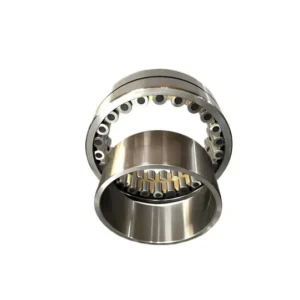
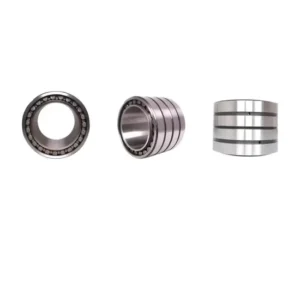
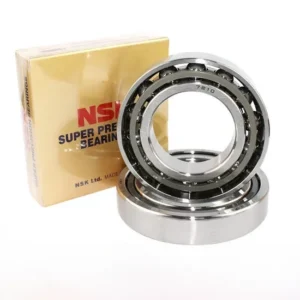
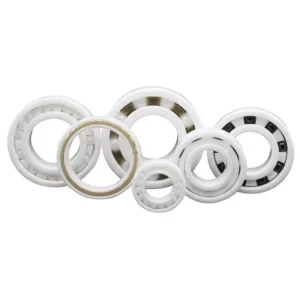
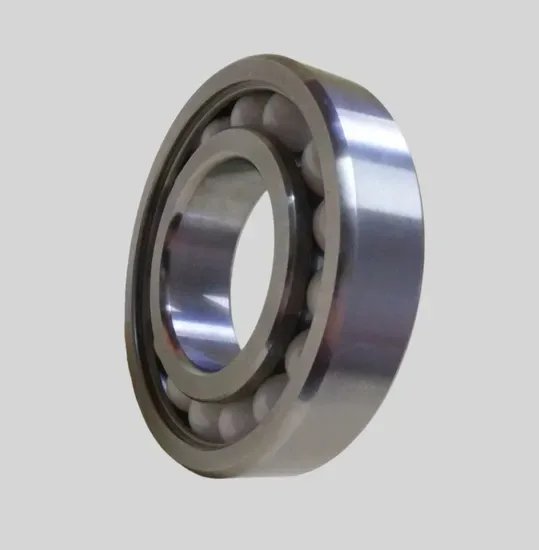
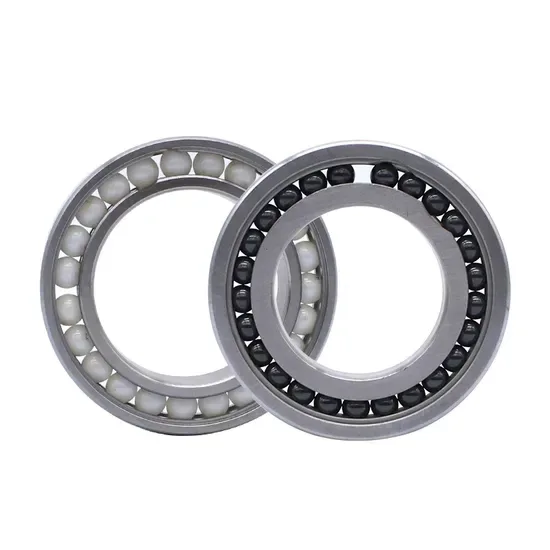
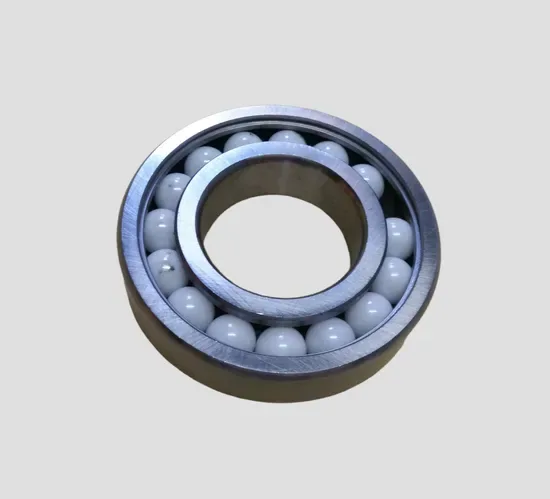
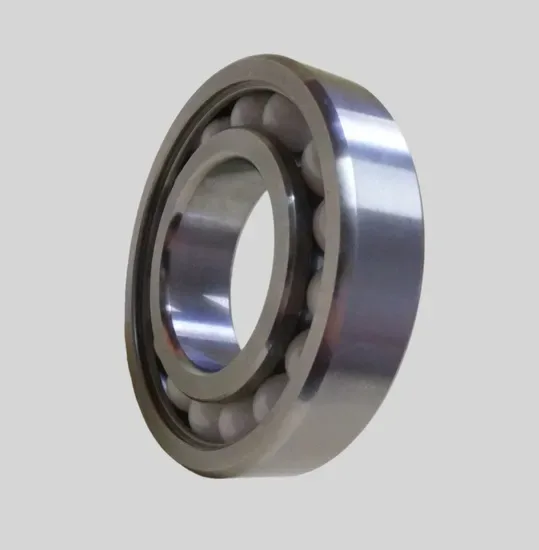
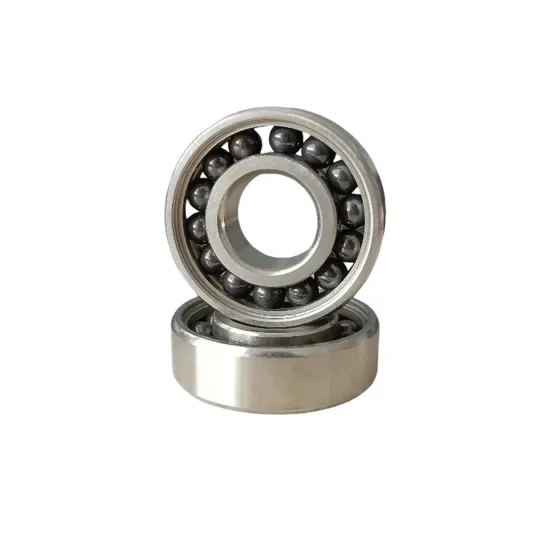
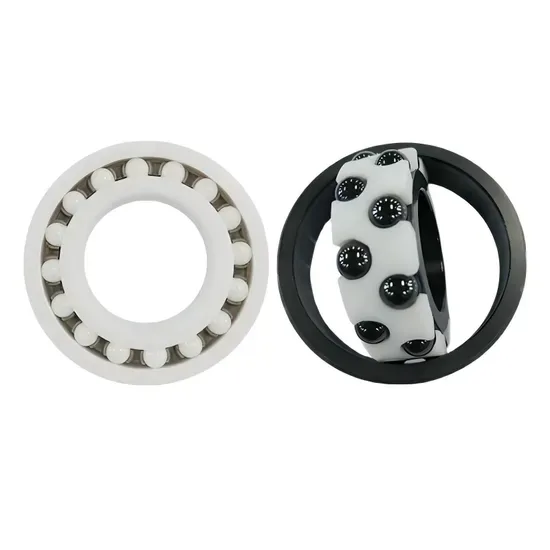
| Bearing Type | Ceramic Hybrid Bearing |
| Operating Temperature Range | 300–1000 ℃ |
| Feature | Corrosion Resistant, Antimagnetic, High Temperature, High Speed |
| Style | Fan Bearing |
| Application | Industrial Equipment |
| Customization | Available |
| OEM/ODM | Yes |
| Manufacturer | China Factory |
| Certification | RoHS, CE |
| Package Gross Weight | 20.000 kg |
| Package Size | 40.00 cm × 30.00 cm × 25.00 cm |
The 350C suffix is unverified against a standardized manufacturer catalog; confirm the exact temperature rating and construction variant with the supplier before finalizing specifications.
Application Suitability
| Industry | Typical Applications |
|---|---|
| Cement Manufacturing | Clinker kiln support roller stations, cooler fan shafts |
| Steel & Metallurgy | Sinter plant exhaust fan bearings, heat treatment furnace conveyors |
| Mining & Crushing | Hot material conveyor idler rolls near kiln discharge |
| General Industrial | High-temperature exhaust and induced draft fan assemblies |
What Happens When a Standard Steel Cage Meets Clinker Heat
A locked support roller at operating temperature turns a planned production run into an emergency shutdown.
Pulling a seized bearing from a kiln support roller in Nigeria made the consequences impossible to ignore. The purchasing team matched the base bearing number perfectly but ignored the high-temperature suffix requirement. Standard steel-cage units were installed. Within three weeks, the grease had carbonized into a hard residue, the cage distorted under thermal stress, and the roller locked solid. The entire kiln stopped cold. Ceramic hybrid elements and high-temperature cage materials are not optional upgrades for clinker duty — they define whether a kiln runs through its campaign or shuts down prematurely [NEED_CITE: thermal failure modes of rolling bearings in high-temperature industrial applications per ISO 15243].
Matching Bearing Construction to Kiln Zone Temperatures
Clinker kilns impose temperature gradients that vary dramatically from the inlet to the burning zone. A Ceramic Hybrid Bearing for Cement Plant Clinker Kiln 350°C addresses the sustained thermal exposure found at support roller positions and hot fan shafts, where ambient heat and radiant load push conventional steel past its dimensional stability limits. Ceramic rolling elements maintain tighter tolerances under thermal expansion, which keeps internal clearance within functional bounds. We have sourced matched sets for kiln upgrades across West Africa where correct thermal specification prevented the repeat failures that earlier steel-only installations caused.
Thermal Load, Contamination, and Lubrication Breakdown
Support roller bearings in clinker kilns carry heavy radial loads combined with slow rotational speeds, creating boundary lubrication conditions even before temperature enters the equation. At elevated temperatures, standard greases oxidize rapidly, losing film strength and leaving metal surfaces exposed to abrasive clinker dust infiltration. The antimagnetic property of ceramic hybrid construction resists ferrous particle attraction in dusty kiln atmospheres, reducing a significant source of three-body abrasive wear. Corrosion resistance further protects against the chemical exposure and moisture cycles that characterize cement plant environments [NEED_CITE: ceramic hybrid bearing advantages in contaminated high-temperature environments]. Sealing selection must account for contact friction heat at the seal lip, which compounds the thermal load already present in the kiln zone.
Ceramic Elements, Cage Selection, and Clearance Behavior
The ceramic hybrid rolling elements in this bearing maintain dimensional stability at temperatures up to 1000 ℃, avoiding the thermal expansion mismatch that causes all-steel bearings to lose internal clearance and bind under heat. This operating temperature range of 300–1000 ℃ positions the bearing well beyond the functional ceiling of standard deep groove or spherical roller designs. The corrosion-resistant construction handles the alkaline dust and moisture cycling common at kiln support positions. Antimagnetic behavior prevents the accumulation of iron particles on rolling surfaces, which is a frequent root cause of premature surface degradation in cement plant air streams. High-speed capability ensures the same bearing family covers both slow-turning kiln rollers and faster hot fan shafts within the same facility.
The Hidden Cost of Ignoring Temperature Suffixes
Installing a bearing that matches the base designation but lacks the correct high-temperature construction leads to a predictable failure sequence: grease degradation, cage distortion, increased friction, thermal runaway, and ultimately seizure. Each unplanned kiln shutdown carries lost production revenue, emergency freight charges for replacement parts, and the labor cost of hot extraction under time pressure. ISO 15243 classifies these failures under thermal and material degradation modes, which are entirely preventable through correct specification at the procurement stage [NEED_CITE: rolling bearing failure mode classification per ISO 15243]. Verified sourcing through authorized channels with full batch documentation ensures the bearing that arrives on site matches what the application engineering review specified.
Why Procurement Teams Source High-Temp Ceramics Through Our Channel
Our authorized distributor channel sourcing means every Ceramic Hybrid Bearing for Cement Plant Clinker Kiln 350°C ships with traceable documentation back to the production batch. We cross-reference not only base designations but also temperature ratings, cage materials, and clearance classes so substitutions hold up under actual kiln conditions. Country-of-origin documentation accompanies each shipment for import compliance, eliminating clearance delays at destination ports. Technical selection guidance covers application parameters including load, speed, and kiln zone temperature, so buyers do not repeat the base-number-only matching errors we have seen shut down kilns in the field. Authenticity verification support and QR code pathway confirmation add a further layer of counterfeit protection, which matters when sourcing high-value specialty bearings through international supply chains.
Documentation & Authenticity
- Supplier Certificate of Conformity linked to batch and lot numbers, confirming the ceramic hybrid material composition and high-temperature rating of each unit shipped
- Third-party dimensional inspection report verifying bore, OD, and width tolerances before the bearing leaves our consolidation warehouse
- Country-of-origin documentation prepared for import customs, including HS code classification for ceramic hybrid bearing categories
- Material certificate confirming ceramic element composition and steel ring metallurgy, provided with each shipment batch
- Operating temperature range verification letter cross-checking the 300–1000 ℃ rating against the buyer’s specific kiln zone data sheet
Storage, Handling & Mounting
- Keep ceramic hybrid units in original sealed packaging until installation day; premature opening exposes precision-finished ceramic surfaces to cement plant dust that standard cleaning cannot fully remove
- Store away from magnetic fields and welding equipment in the maintenance bay — the antimagnetic property protects internal function, but external magnetized tool contact can compromise handling safety
- Use clean, lint-free gloves when handling exposed ceramic rolling elements; skin oils on ceramic surfaces behave differently than on steel under high-temperature kiln startup conditions
- For kiln support roller mounting, follow induction heating procedures matched to the steel ring expansion coefficient, avoiding overheating that could shock the ceramic elements
- Confirm external sealing responsibility with the installation team; open-style fan bearings in dusty clinker cooler zones require supplementary labyrinth seals that the bearing supplier does not provide
Request a Technical Review Before You Commit
Share your kiln zone temperature profile, roller load data, and fan shaft speed so we can verify this Ceramic Hybrid Bearing for Cement Plant Clinker Kiln 350°C matches your specific position requirements. If you have an OEM equipment number from the kiln or fan manufacturer, send it over for cross-reference verification against our interchange database. We will confirm batch availability, lead time, and the full documentation package before you issue a purchase order.
Frequently Asked Questions
Q: What temperature range can these ceramic hybrid bearings reliably operate in?
A: The specified operating range covers 300–1000 ℃. We recommend confirming your exact kiln zone temperature profile — including peak excursions during upset conditions — so we can verify the bearing’s thermal margin is adequate for your installation.
Q: How do ceramic hybrid bearings compare to all-steel bearings in high-temperature cement kiln applications?
A: Ceramic rolling elements maintain dimensional stability where steel expands and loses internal clearance. The result is sustained lubricant film integrity and reduced risk of thermal binding, which is the primary failure mechanism we have observed in steel-only kiln roller installations.
Q: What documentation is provided for import clearance and authenticity verification?
A: Each shipment includes a supplier Certificate of Conformity with batch traceability, material certificates, country-of-origin documentation, and HS code classification support for destination customs processing.
Q: What are the lubrication requirements for ceramic hybrid bearings at elevated temperatures?
A: High-temperature applications demand lubricants rated for the specific operating temperature at the bearing position. Standard greases carbonize rapidly above their thermal ceiling. We can advise on compatible high-temperature lubricant options based on your kiln zone data.
Q: Can non-standard bore or outer diameter requirements be accommodated?
A: OEM/ODM customization is available from the manufacturer. Share your dimensional requirements and application parameters, and we will confirm feasibility, lead time, and minimum order quantities for custom variants.
Confirm Your Kiln Bearing Specification Before the Next Campaign Starts
Send us your application parameters — kiln zone temperature, roller load, fan speed, and OEM equipment number — and we will return a verified selection with full documentation and a firm lead time.