
Digital Twins & Bearing Data Handover: Global Wholesale Supplier
Genuine parts do not guarantee system acceptance.
In digital twin-driven MRO, flawless data alignment between virtual mapping codes and physical batch traceability is as critical as the genuine bearings themselves. System rejection occurs when documentation fails to mirror the physical asset, regardless of part authenticity.
I remember standing on the dusty floor of a copper mine in Chile, watching a maintenance team struggle with a shipment of spherical roller bearings. The boxes were sealed, the holograms were intact, and the SKUs matched the purchase order perfectly. Yet, their predictive maintenance platform refused to onboard the assets. The issue was not the steel or the grease; it was the data handover. The virtual model’s mapping codes did not align with the physical batch traceability documents we had provided. This costly mismatch taught me that in modern industrial sourcing, the digital thread is just as tangible as the metal it describes. [NEED_CITE: impact of data quality on digital twin adoption in heavy industry]
This experience reshaped how I approach every inquiry. It is no longer enough to simply ship a box. We must ensure that the data accompanying the product travels seamlessly into the client’s digital ecosystem. For procurement managers and MRO operators, understanding the mechanics of this handover is essential to avoiding operational delays.
Why Do Digital Twin Systems Reject Genuine Bearings?
Virtual mapping codes must perfectly match physical batch traceability docs.
Many buyers assume that if they purchase genuine SKF or FAG bearings, their enterprise resource planning (ERP) or asset performance management (APM) systems will automatically accept them. This is a dangerous misconception. Modern digital twins rely on unique identifiers that link the physical object to its virtual counterpart. If the batch number, serial number, or manufacturing date in the digital record does not exactly match the laser-etched code on the bearing ring or the certificate of conformity, the system flags it as an anomaly. [NEED_CITE: ISO standards for industrial asset identification]
The rejection is not a judgment on quality; it is a failure of data integrity. In a recent project for a European wind farm operator, we supplied a full set of main shaft bearings. The physical parts were flawless, but the initial data packet sent for pre-onboarding contained generic SKU information rather than batch-specific traceability codes. The client’s digital twin platform rejected the entry because it could not establish a unique lineage for each individual bearing. This delayed the commissioning schedule significantly.
To prevent this, the data handover process must treat documentation as a technical specification. Just as we verify dimensional tolerances, we must verify data fields. The mapping code in the virtual environment must be a direct reflection of the physical reality. Any deviation, no matter how minor, breaks the trust chain required for predictive analytics. [NEED_CITE: best practices for digital thread continuity in manufacturing]
What Documents Are Required for Flawless Data Handover?
Beyond COO, batch-level mapping codes and material certs are mandatory.
A standard Certificate of Origin (COO) is insufficient for digital twin integration. While it proves where the product was made, it does not provide the granular data needed for asset-level tracking. For seamless onboarding, the documentation package must include detailed batch certificates that link specific production lots to unique identifiers. These documents serve as the bridge between the physical item and its digital shadow.
When supplying mixed-brand orders, such as combining NSK, TIMKEN, and ZWZ products, the format of these documents can vary. Some manufacturers provide QR codes that link to online databases, while others rely on PDF certificates with detailed batch numbers. Our role is to normalize this data. We ensure that every bearing, regardless of brand, comes with a consistent set of traceability documents that include:
- Unique batch or serial numbers.
- Manufacturing date and facility code.
- Material certification references.
- Inspection reports aligned with ISO traceability standards. [NEED_CITE: ISO 9001 requirements for traceability]
A regional distributor in Southeast Asia once faced months of clearance delays because their supplier only provided commercial invoices. The end-user’s digital system required batch-level material certs to validate the provenance of each bearing for safety-critical applications. By restructuring our documentation process to include these specific data points upfront, we eliminated the bottleneck. The key is to anticipate the data requirements of the digital twin before the physical goods leave the warehouse.
How to Verify Data Alignment Before Shipment?
Pre-shipment digital thread validation prevents on-site system rejection.
Verification should not happen at the client’s site. It must occur before the container is sealed. We implement a pre-shipment validation protocol that mirrors the client’s digital onboarding requirements. This involves cross-referencing the physical labels on the bearings with the digital data files that will be transmitted.
The process follows a strict checklist:
- Physical Inspection: Verify that the laser-etched or stamped codes on the bearing are legible and match the packaging label.
- Document Cross-Reference: Ensure that the batch numbers on the Certificate of Conformity match the physical labels exactly.
- Digital File Audit: Check that the electronic data file (CSV, XML, or PDF) contains the same unique identifiers as the physical documents.
- Format Compatibility: Confirm that the data structure aligns with the client’s ERP or APM system requirements. [NEED_CITE: industrial IoT data exchange protocols]
This step is crucial for mixed-brand sourcing. A heavy equipment OEM we work with sources bearings from multiple global brands for their new excavator lines. Each brand has a different labeling convention. By standardizing the data extraction process before shipment, we ensure that the digital thread remains unbroken regardless of the manufacturer. This proactive approach saves significant time during the integration phase, allowing the OEM to focus on assembly rather than data cleaning.
How Does Mixed-Brand Sourcing Impact Digital Twins?
Unified data formatting across brands like SKF, FAG, and ZWZ is critical.
Sourcing from multiple brands offers cost and availability advantages, but it introduces complexity in data management. Each manufacturer has its own method of encoding traceability information. SKF might use a specific alphanumeric string, while FAG uses a different structure. ZWZ and other domestic Chinese brands may have yet another format. If these disparate data streams are fed into a single digital twin platform without normalization, the system struggles to create a unified view of the asset lifecycle.
The challenge is not the physical compatibility of the bearings—standard dimensions ensure they fit—but the digital compatibility of their records. A lack of uniformity can lead to fragmented data silos, where predictive maintenance algorithms fail to aggregate performance metrics across the entire fleet.
| Brand | Typical Traceability Format | Data Integration Challenge | Solution Approach |
|---|---|---|---|
| SKF | Alphanumeric Serial/Batch | Proprietary database links | Extract batch ID for universal mapping |
| FAG | Numeric Batch Code | Limited online metadata | Rely on physical cert cross-reference |
| ZWZ | Batch Number + Date | Variable document formats | Standardize into unified digital packet |
| NSK | QR Code Link | Requires scanning infrastructure | Manual verification of linked data |
To address this, we provide cross-brand equivalent model consultation and technical selection support. We do not just ship the parts; we curate the data. By converting diverse brand-specific identifiers into a unified format that aligns with the client’s digital twin architecture, we ensure that the virtual model reflects the physical reality accurately. This service is particularly valuable for MRO operators managing legacy equipment with mixed inventories. It allows them to maintain a single source of truth for all assets, enabling more effective predictive maintenance and reducing unplanned downtime. [NEED_CITE: benefits of standardized data models in industrial IoT]
Conclusion
Data alignment is the foundation of digital trust.
Flawless data handover ensures that genuine bearings integrate seamlessly into digital twin ecosystems. By prioritizing batch-level traceability and pre-shipment validation, buyers can avoid system rejections and maintain operational continuity.
SKF bearings mentioned here
These are the SKF bearing types covered in this article. Open a product to check its designation, category and details before you add it to your list.
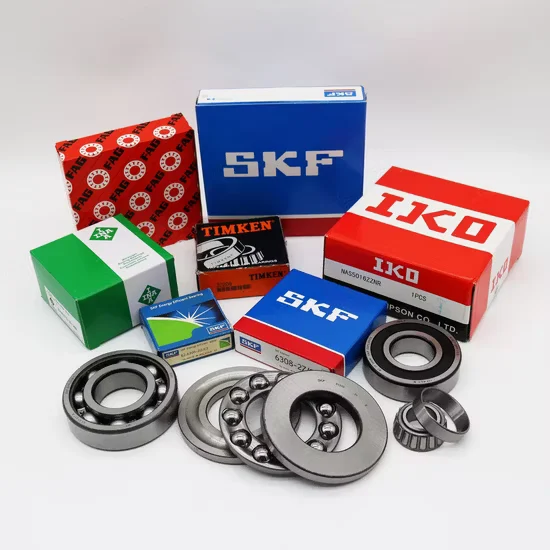 Deep Groove Ball Bearings Genuine FAG 30206 30208 30210 Tapered Roller Bearing Wholesale Supplier View product 02
 Deep Groove Ball Bearings 6017 2rz Deep Groove Ball Bearing for Bike Bicycle Wholesale Supplier View product 03
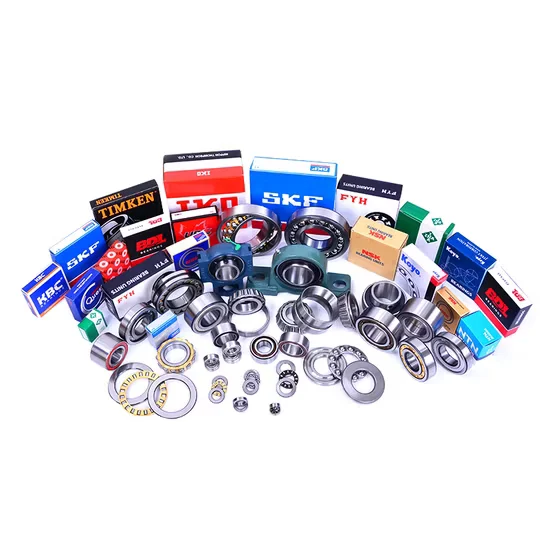 Deep Groove Ball Bearings NSK NTN Timken Koyo NACHI Deep Groove Ball Bearing 6306 Wholesale Supplier View product 04
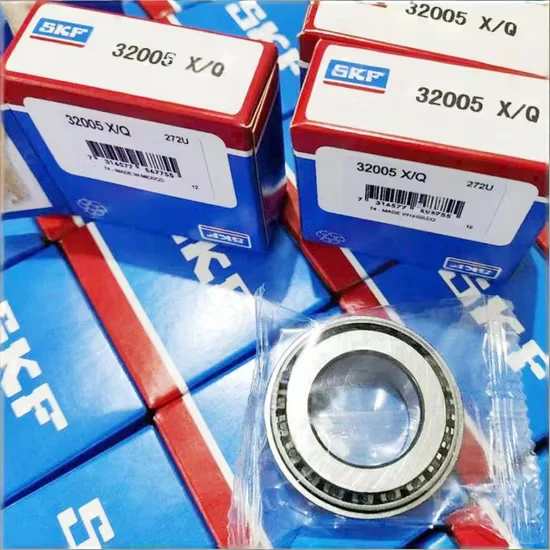 Tapered Roller Bearings SKF 33111 Tapered Roller Bearing Genuine Original Wholesale Supplier View product
Related applications
The equipment and duties this article applies to. Each one links to the SKF bearing types used there.
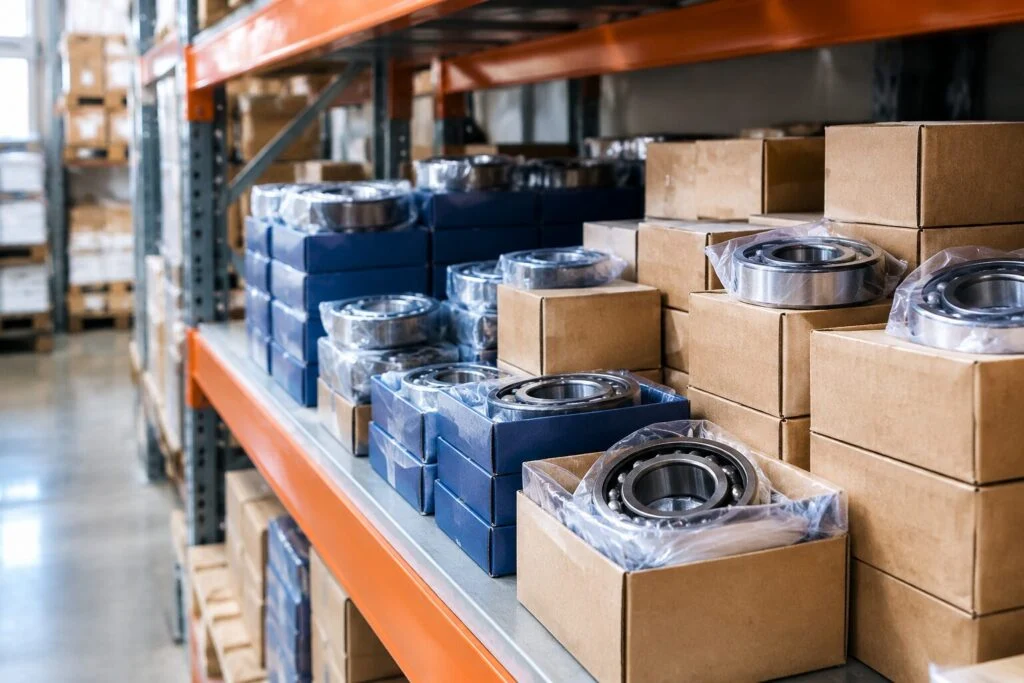
Quote every model in this article, line by line
Send the SKF models from this article together with your internal stock codes. Each bearing, housing and accessory is quoted on its own line, with its own quantity and specification, and nothing is substituted without your approval.
- Models plus internal codes
- Quantities per line
- Housings and accessories

