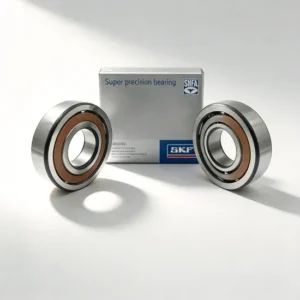
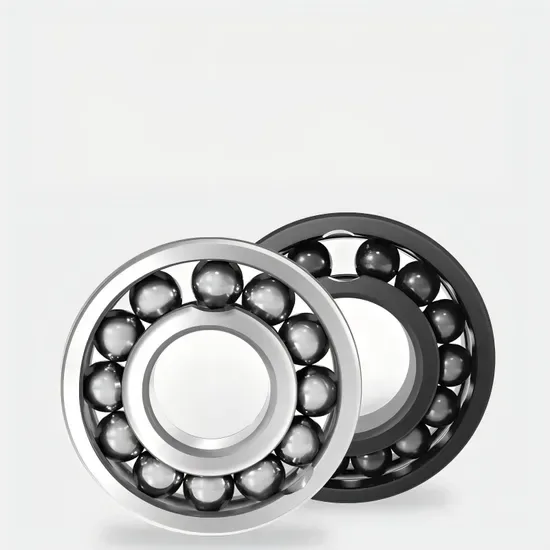
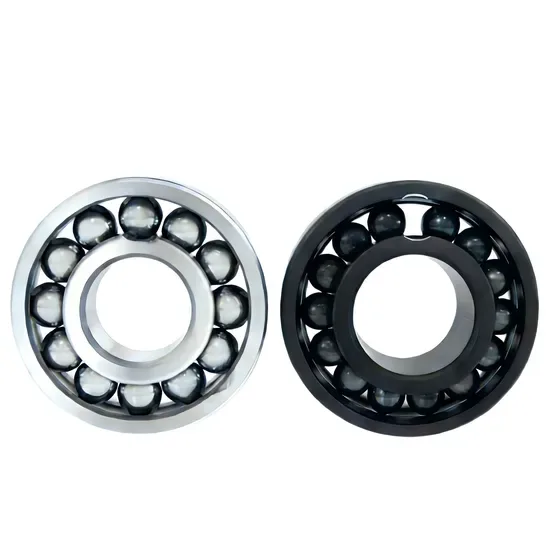
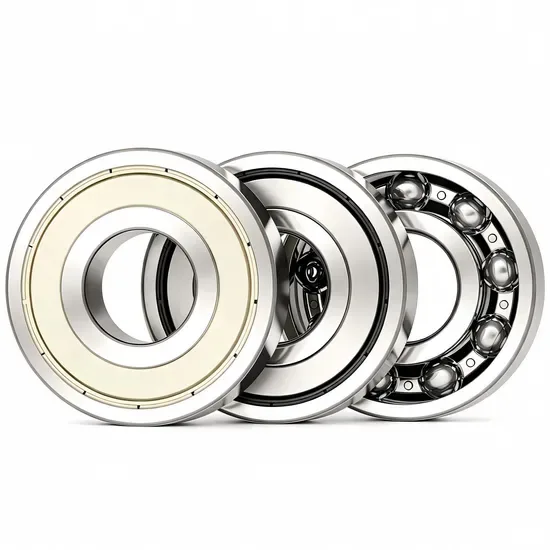
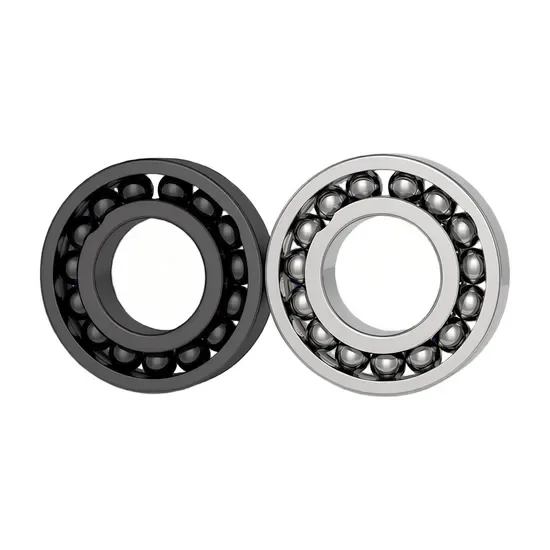
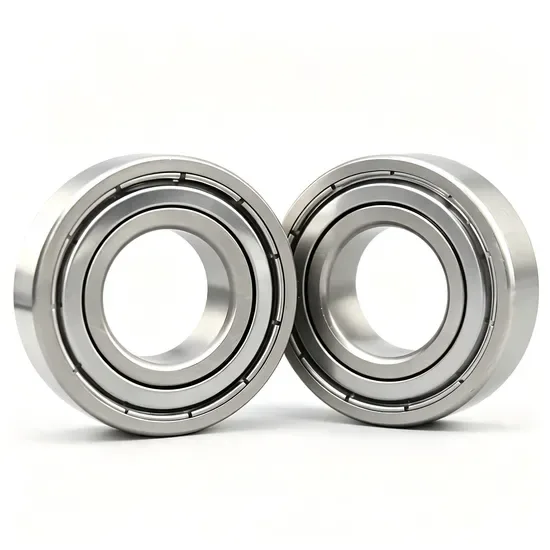
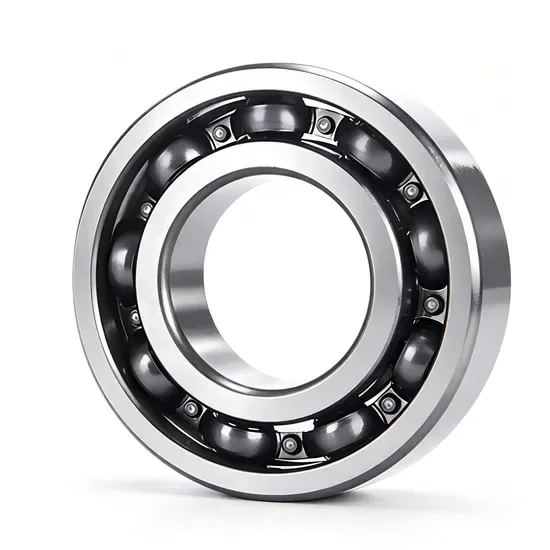
Description
Batch-Traceable Specialty Sourcing — Every High Temperature Self Lubricating Bearing 300°C for Rubber Mixing Mill and Extruder ships with supplier Certificate of Conformity, batch lot records, and country-of-origin documentation for import clearance.
Technical Specifications
| Parameter | Value |
|---|---|
| Designation | Generic 300C High Temperature Self Lubricating Bearing |
| Bearing Type | Self Lubricating Bearing (High Temperature Specialty) |
| Operating Temperature Range | 300–1000°C |
| Lubrication Method | Self Lubricating (Solid Lubricant Embedded) |
| Feature Set | Corrosion Resistant, Antimagnetic, High Temperature, High Speed |
| Customization | Available (OEM/ODM) |
| Certification | RoHS, CE |
Note: The "300C" designation appears as a supplier product identifier rather than a standardized suffix; exact dimensional series and internal construction should be confirmed against the manufacturer’s current catalog before finalizing order specifications.
Application Suitability
| Industry | Typical Applications |
|---|---|
| Rubber Processing | Mixing mill barrel shafts, extruder screw thrust supports |
| Industrial Machinery | Kiln car wheel bearings, furnace conveyor rollers, heat treatment line idlers |
| Steel & Metallurgy | Continuous caster guide rolls, hot strip mill transfer table bearings |
What Happens When Grease Carbonizes Inside a Rubber Mixing Mill
Conventional lubricants fail catastrophically above 200°C — self-lubricating design is not an upgrade, it is the minimum viable solution.
A three-day line stoppage on a rubber mixing mill in Lagos traced back to exactly this: standard deep groove bearings packed with lithium-complex grease, ambient air already at 45°C, barrel surface pushing past 120°C. The grease carbonized within weeks, balls scored the raceway, and the cage fractured under load. Maintenance crews had matched the basic bearing number correctly but never questioned whether the lubrication method could survive the thermal environment. That single oversight cost more than a decade of properly specified high-temperature bearings would have. [NEED_CITE: lubricant thermal degradation and bearing failure modes per ISO 15243] When procurement teams evaluate a High Temperature Self Lubricating Bearing 300°C for Rubber Mixing Mill and Extruder, the conversation must start with operating temperature and lubrication survivability — not just bore size and load rating.
Matching the Thermal Profile of Rubber Processing Lines
Rubber mixing mills and extruders generate sustained heat well beyond the service ceiling of any petroleum-based grease. The High Temperature Self Lubricating Bearing 300°C for Rubber Mixing Mill and Extruder addresses this through embedded solid lubricant that releases continuously at operating temperature, eliminating the need for external re-greasing intervals that maintenance crews cannot safely perform near hot barrels. On a recent extruder retrofit, switching from a greased spherical roller to a self-lubricating alternative removed two scheduled maintenance stops per quarter — each stop previously requiring line cooldown, bearing wash, re-lubrication, and thermal re-stabilization before production could resume.
Thermal Loads, Contamination, and the Sealing Gap
Rubber processing environments combine elevated temperature with aggressive contamination: carbon black dust, sulfur compounds, and fragmented flash rubber all migrate toward bearing housings. Radial loads on mixing mill barrel shafts are heavy and predominantly steady, but shock pulses occur when uncured compound slabs drop onto the roll nip. Thermal expansion of the shaft and housing changes internal clearance dynamically — a bearing installed with standard CN clearance at room temperature may see that clearance close to near-zero once the barrel reaches operating heat. [NEED_CITE: thermal expansion effects on bearing internal clearance during operation] The self-lubricating construction sidesteps the grease-breakdown failure mode entirely, but engineers must still verify that the selected bearing’s thermal expansion characteristics match the housing fits and shaft tolerances specified by the equipment OEM.
Decoding the Construction Behind the Temperature Rating
The 300–1000°C operating window depends on the solid lubricant compound and the cage or retainer material used. At the lower end of the range, metal-backed PTFE or graphite composite inserts provide continuous film lubrication without external supply. At higher temperature tiers, sintered metal-matrix solid lubricants or molybdenum disulfide compounds take over, each with distinct friction coefficients and load-carrying limits. Corrosion-resistant construction matters in rubber processing because sulfur-bearing compounds in the mix attack standard bearing steel surfaces during idle periods, creating pitting that initiates spalls once the line restarts. Antimagnetic properties, while not a primary selection driver for most mixing mills, indicate non-ferrous cage or retainer components that also resist the galvanic corrosion paths common in humid tropical processing plants.
The Hidden Cost of Ignoring Temperature in Bearing Selection
Fitting a standard greased bearing into a high-temperature zone does not produce a gradual performance decline — it produces a sudden, unplanned stoppage. Carbonized grease turns abrasive, accelerating raceway wear and cage fatigue until catastrophic seizure or cage collapse occurs. [NEED_CITE: bearing failure progression from lubricant breakdown per ISO 15243 classification] Downstream consequences include damaged housings, scored shaft journals, and in the worst cases, barrel or screw damage requiring complete assembly replacement. Warranty claims on the surrounding equipment are typically voided when failure analysis reveals lubrication incompatibility. Correct specification of a High Temperature Self Lubricating Bearing 300°C for Rubber Mixing Mill and Extruder from a traceable source eliminates this failure chain at the root, preserving both bearing life and equipment integrity.
Why Maintenance Engineers and Procurement Teams Source This Way
Sourcing high-temperature specialty bearings requires more than matching a bore diameter. Our cross-reference comparisons verify clearance class, cage material compatibility, and precision grade — not just the base number — so substitutions do not introduce thermal binding or premature cage failure. Every shipment carries batch-level traceability back to the production lot, with country-of-origin documentation prepared for the importing country’s customs requirements. When a maintenance manager needs to confirm whether a self-lubricating bearing can replace a greased unit in an existing housing, our application-based technical review covers fit tolerances, thermal expansion differentials, and sealing responsibilities before a single unit ships. Regional distributors receive qualification support including documentation templates and verification pathways so their own customers can trust the product chain.
Documentation & Authenticity
- Supplier Certificate of Conformity listing material grade, temperature rating, and batch lot number for each shipment of self-lubricating bearings
- Third-party dimensional inspection report confirming bore, OD, and width tolerances before dispatch from the warehouse
- RoHS and CE certification documents cross-checked against physical product markings and packaging labels
- Country-of-origin certificate and HS code classification support for customs clearance in destination markets
- Batch and lot traceability records maintained for post-delivery failure analysis and warranty support
Storage, Handling & Mounting
- Retain the sealed packaging on self-lubricating bearings until the moment of installation; premature exposure to humid or dusty storage conditions can contaminate the solid lubricant surface
- Store away from direct sunlight and chemical vapors — sulfur-rich atmospheres in rubber plant storerooms can attack exposed bearing surfaces even before mounting
- Use clean, lint-free gloves during handling to prevent skin oils from depositing on raceways; solid lubricant films bond best to uncontaminated surfaces
- For cylindrical bore installations, induction heating should not exceed the bearing’s rated temperature ceiling; monitor with a contact thermometer to avoid degrading the embedded lubricant compound
- Where housing seals are the primary contamination barrier in open bearing arrangements, confirm seal condition and replacement schedule as part of the mounting procedure — the self-lubricating bearing handles internal friction, but external seals remain the customer’s maintenance responsibility
Request a Specification Review
Share your mixing mill or extruder operating parameters — barrel surface temperature, ambient conditions, shaft speed, and radial load estimates — so we can confirm whether this self-lubricating platform matches your thermal profile. If you are replacing an existing greased bearing, provide the OEM equipment number and current bearing designation for a full cross-reference check including clearance, cage material, and dimensional envelope verification. Request the documentation package and country-of-origin confirmation early in the process so your import compliance team can review before the order is placed.
Frequently Asked Questions
Q: How can I verify that the bearing material will sustain continuous operation above 300°C?
A: Request the supplier’s Certificate of Conformity with material grade and temperature endurance test data. Cross-check the RoHS and CE markings on the physical product against the documentation. For critical applications, specify third-party temperature endurance testing as a pre-shipment condition.
Q: What import documentation accompanies a specialty high-temperature bearing order?
A: Each shipment includes a supplier Certificate of Conformity, country-of-origin certificate, HS code classification, and batch traceability records. These documents support customs clearance and post-import verification in most destination markets.
Q: How does self-lubricating performance compare to conventional greased bearings in rubber mixing service?
A: Conventional grease carbonizes and turns abrasive above its thermal ceiling, leading to raceway scoring and cage failure. Self-lubricating bearings release solid lubricant continuously at operating temperature, eliminating re-greasing intervals and the associated contamination risk from open housing relubrication points.
Q: What customization is available for non-standard high-temperature bearing applications?
A: OEM and ODM customization covers non-standard dimensions, alternative solid lubricant compounds for specific temperature ranges, and application-specific sealing arrangements. Provide your mounting envelope drawing and thermal profile for a tailored quotation.
Q: What are typical lead times and minimum order quantities for OEM/ODM orders?
A: Lead times and MOQ depend on the customization scope and current production scheduling. Share your dimensional requirements and target delivery date during the inquiry stage so we can confirm availability and batch planning before quotation.
Confirm Your Application Fit
Send your equipment parameters or OEM bearing number for a technical cross-reference review, including clearance and material compatibility verification.
[NEED_CITE: authorized bearing sourcing and authenticity verification best practices]