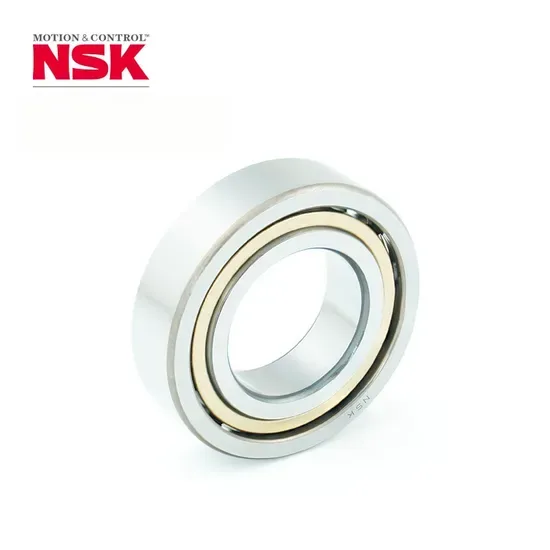
Description
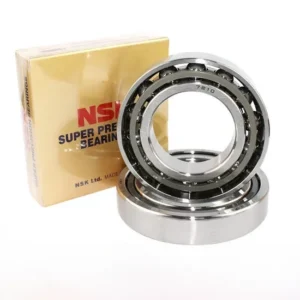
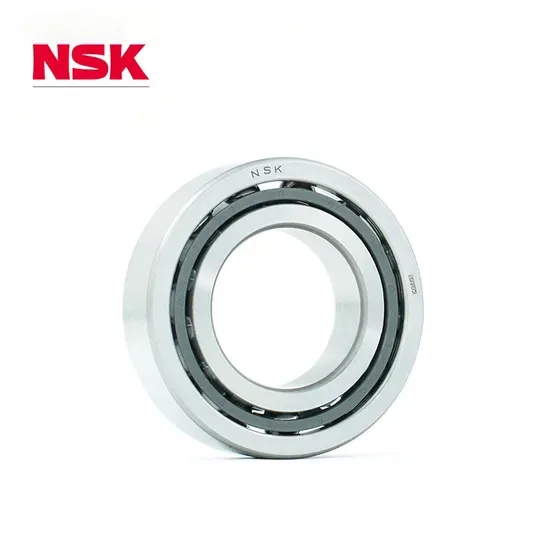
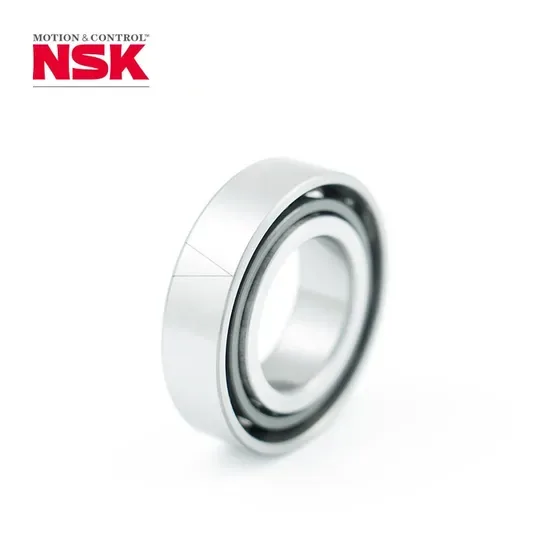
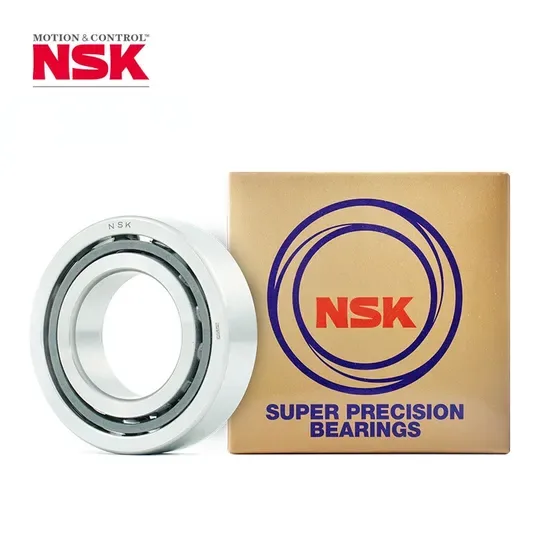
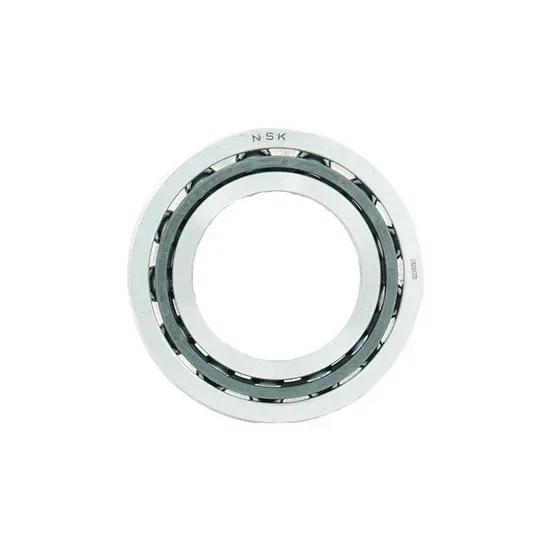
Authorized Channel Procurement — Every NSK 7900A5SN24TRSUELP5 angular contact ball bearing we supply arrives with batch-level traceability documentation linked to authorized distributor records, ensuring procurement engineers can verify origin before the spindle ever sees a cleanroom.
Technical Specifications
| Parameter | Value |
|---|---|
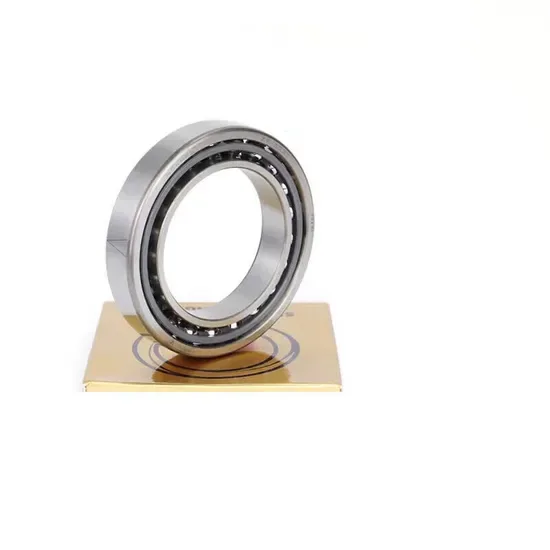
| Designation | NSK 7900A5SN24TRSUELP5 |
| Bearing Type | Angular Contact Ball Bearing |
| Bore Diameter (d) | 10 mm |
| Outside Diameter (D) | 22 mm |
| Width (B) | 6 mm |
| Number of Rows | Single |
| Contact Angle | 15° |
| Precision Class | P5 (ISO Class 5) |
| Cage Material | Requires manufacturer catalog confirmation |
| Seal or Shield Type | Requires manufacturer catalog confirmation |
| Bore Type | Cylindrical |
| Arrangement | Single, Universal Mounting |
| Weight | 0.009 kg |
| Origin | Japan (Subject to batch documentation) |
Note: Certain suffix segments within this designation (A5SN24T, RS, UEL) require cross-referencing with the latest NSK precision bearing catalog to confirm exact cage material, seal configuration, and preload class specifications.
Application Suitability
| Industry | Typical Applications |
|---|---|
| Machine Tool Manufacturing | High-frequency spindle nose bearings, CNC grinding wheel headstocks |
| Precision Equipment | Coordinate measuring machine rotary axes, optical inspection stages |
| Robotics | Articulated joint harmonic drive supports, end-effector rotary actuators |
| Semiconductor Manufacturing | Wafer handling robot wrist joints, vacuum chamber rotary feedthroughs |
When a 15° Contact Angle Becomes the Wrong Answer
The NSK 7900A5SN24TRSUELP5 angular contact ball bearing is engineered for high-speed radial-dominant loads, but installing it in an axial-heavy application invites rapid raceway spalling.
A retrofit shop once called us after their CNC spindle threw thermal alarms within weeks of installation. The cross-reference matched the base 7900 designation perfectly, but they had overlooked the ceramic ball requirement hidden in the OEM specification. Steel balls at 36,000 RPM generated centrifugal forces that shifted preload, overheated the cage, and seized the spindle mid-cut — destroying a six-figure workpiece. That single suffix mismatch cost more than a year’s bearing budget [NEED_CITE: angular contact bearing preload shift failure modes at high DN values]. Counterfeit bearings with soft inner rings and cloned QR codes now enter supply chains through unverified middlemen, making suffix-level verification and authorized-channel sourcing non-negotiable for spindle applications.
Matching the 7900 Series to Spindle Operating Envelopes
The NSK 7900A5SN24TRSUELP5 angular contact ball bearing performs where low rotating mass and tight dimensional control converge: bore diameters at 10 mm with a 0.009 kg weight keep gyroscopic moments manageable at elevated speeds. We once supported an automotive transmission test rig that ran 7900-series bearings at sustained high RPM with minimal axial load; the 15° contact angle kept friction heat generation predictable, and the P5 tolerance band prevented the runout-induced vibration that had plagued their previous supplier’s batches. When an OEM equipment number is provided, we cross-check not just the base model but the cage material, seal type, and preload against actual running parameters — a step most catalog lookups skip entirely.
Thermal Expansion, Lubrication, and the Preload Tightrope
High-speed spindles live and die by thermal management. At sustained RPM, inner ring temperatures climb faster than outer ring temperatures due to closer proximity to the heat source, effectively reducing internal clearance and increasing preload on a bearing that started with a specific factory-set value. Oil-air or oil-jet lubrication becomes mandatory beyond certain speed thresholds, as grease-packed cavities cannot dissipate heat quickly enough [NEED_CITE: spindle bearing lubrication selection criteria by DN factor]. The single-row arrangement in this 7900 variant relies on a mating bearing to react axial forces in the opposite direction, meaning the pairing configuration — back-to-back or face-to-face — directly dictates the system’s moment rigidity and thermal compensation behavior. Mounting tolerance on the shaft and housing must respect the P5 precision grade; forcing interference fits beyond recommended limits collapses the very clearance margin the precision class was designed to protect.
What the Suffix Stack Actually Controls
The A suffix confirms a 15° contact angle — the lowest standard angle for angular contact bearings, optimized for applications where radial loads dominate and axial loads remain moderate. This angle produces less friction heat per revolution than 25° or 40° variants, making it the default choice for high-speed grinding spindles and precision rotary tables. The P5 precision class meets ISO 492 Class 5 tolerances for bore, outside diameter, width, and running accuracy — tighter than standard P0 but one step below the P4/P4A grades demanded by ultra-precision air-bearing spindles. At 10 mm bore and 22 mm OD, this bearing sits in the miniature precision range where even micron-level geometric deviations translate to measurable vibration at high rotational speeds. The single-row universal mounting arrangement means this bearing is ground to allow flush mounting in any paired configuration, with the factory controlling the protrusion of inner and outer ring faces to enable predictable preload when clamped against a mating unit.
The Invoice Price Is the Smallest Number on the Failure Report
Selecting a bearing on base designation alone — ignoring suffix-level specifications for cage material, clearance, and seal type — routinely produces failures that ISO 15243 classifies under fatigue, wear, or thermal damage [NEED_CITE: ISO 15243 rolling bearing damage and failure classification]. A counterfeit inner ring with inadequate carburizing depth may pass visual inspection but spalls within hundreds of hours under cyclic loading. A standard-clearance bearing pressed into a high-speed spindle with tight shaft interference loses all internal clearance, generates excessive friction heat, and triggers thermal shutdown — or worse, seizes without warning. The unplanned downtime, scrapped workpieces, and emergency freight charges for replacement components dwarf the unit price difference between a verified genuine bearing and the lowest-quote alternative. Sourcing through authorized channels with complete batch documentation is not a luxury; it is the only rational risk-management posture for spindle-critical applications.
What We Verify Before Your Spindle Sees the Bearing
We source NSK precision bearings through authorized distributor channels, which means every batch carries traceable documentation back to the manufacturer’s production facilities — not through opaque trading intermediaries. Our cross-reference database aligns clearance, cage material, and precision suffixes simultaneously, preventing the partial-match errors that cause field failures. For the NSK 7900A5SN24TRSUELP5 angular contact ball bearing, we confirm the contact angle, precision grade, and arrangement compatibility against your actual spindle parameters before releasing a quotation. Country-of-origin documentation accompanies shipments for import compliance, and we provide QR code verification pathways through NSK’s official application so your receiving department can authenticate before the cleanroom seal is broken [NEED_CITE: NSK bearing authentication via official mobile application]. Material certificates and dimensional inspection reports are standard inclusions, not optional extras negotiated after the fact.
Documentation & Authenticity
- Supplier Certificate of Conformity linked to batch and lot numbers traceable through authorized NSK distributor records, not generic trading company letterheads.
- QR code authentication pathway via NSK official applications, enabling your quality team to verify each bearing’s production origin before breaking cleanroom packaging.
- Dimensional inspection reports confirming bore, OD, width, and running accuracy against ISO 492 P5 tolerance boundaries — provided as standard documentation, not upon special request.
- Country-of-origin certification prepared for customs and import compliance, eliminating the documentation gaps that delay clearance at destination ports.
- Material certificates documenting bearing steel grade and heat treatment compliance, supporting incoming quality audits at spindle manufacturing facilities.
Storage, Handling & Mounting
- Maintain factory-sealed packaging until the moment of spindle assembly; the 0.009 kg mass and miniature dimensions of this 10 mm bore bearing make it particularly susceptible to contamination from airborne particles in unfiltered workshop environments.
- Control storage humidity below 60% RH and avoid temperature cycling that promotes condensation inside the packaging — moisture ingress on P5 precision raceways initiates corrosion that no amount of relubrication can reverse.
- Use lint-free cleanroom gloves during handling; fingerprint acids on the bearing steel surfaces of miniature precision bearings etch microscopic corrosion sites that propagate into spall initiation points under cyclic loading.
- Observe universal mounting face marks when pairing this single-row bearing with its mating unit; misaligning the flush-ground ring faces destroys the engineered preload and creates uneven load distribution across the ball set.
- Avoid cold-press mounting on the outer ring for this 22 mm OD miniature bearing; the thin cross-section transmits mounting forces directly into the raceway, Brinelling the surface before the spindle ever starts.
- Confirm shaft and housing tolerances match the P5 precision class before installation; interference fits that exceed recommended values for this bore diameter collapse internal clearance and generate thermal alarms within minutes of startup.
Initiating Your Spindle Bearing Inquiry
Share your spindle’s operating parameters — sustained RPM, predominant load direction, lubrication method, and target preload — so we can confirm whether the 15° contact angle and P5 precision of the NSK 7900A5SN24TRSUELP5 angular contact ball bearing align with your application envelope. If you have an OEM equipment number or an existing bearing designation with partial suffix information, provide it for a complete cross-reference check that includes cage material, seal type, and pairing compatibility. We will return a quotation with confirmed batch availability, lead time, and the full documentation package your receiving department requires before installation.
Frequently Asked Questions
Q: How do I verify the authenticity of an NSK precision bearing before installation?
A: Genuine NSK bearings carry unique batch-identifiable markings that can be authenticated through NSK’s official mobile applications. We supply bearings exclusively through authorized distributor channels, providing Certificate of Conformity documentation with lot traceability that links back to the manufacturer’s production records — not intermediary trading companies with unverifiable provenance.
Q: What does P5 precision class mean in practical spindle terms?
A: P5 meets ISO 492 Class 5 requirements for dimensional accuracy and running precision, delivering tighter bore, OD, and runout tolerances than standard P0 grade. For high-speed spindles, this translates to reduced vibration amplitudes and more predictable preload behavior — though applications demanding ultra-precision air-bearing performance typically require P4 or higher grades.
Q: How should I interpret NSK angular contact bearing suffix codes?
A: NSK suffixes specify contact angle, cage material, seal type, clearance, preload, and precision class in a stacked sequence. The ‘A’ in this designation confirms 15° contact angle, and ‘P5’ confirms the precision grade. Certain suffix segments require cross-referencing with NSK’s current precision catalog to confirm exact specifications — a service we perform as standard during technical review.
Q: What cross-reference factors matter when substituting NSK 7900 series bearings?
A: Base model substitution without matching contact angle, cage material, seal configuration, and precision class simultaneously is a primary cause of premature spindle failure. Our cross-reference database aligns these parameters across SKF, FAG, NTN, and other major brands to ensure functional equivalence — not just dimensional interchangeability.
Q: What lubrication approach is recommended for high-speed angular contact bearings?
A: Lubrication selection depends on the bearing’s DN value (bore diameter in mm multiplied by RPM). Beyond certain thresholds, oil-air or oil-jet systems become mandatory as grease cannot dissipate friction heat adequately. We provide application-specific lubrication guidance based on your confirmed operating parameters during the technical review stage.
Secure Your Spindle’s Next Rebuild with Verified Precision
Send us your OEM equipment number or spindle operating parameters to initiate a technical review and receive a documented quotation for the NSK 7900A5SN24TRSUELP5 angular contact ball bearing.