
Handing over the shipping documents does not end your liability.
Long-term service agreements after handover are essential because they shift the focus from simple product delivery to sustained operational reliability, ensuring that spare parts availability, maintenance protocols, and failure analysis responsibilities are clearly defined before equipment enters service.
I still remember the email that arrived on a Tuesday morning from a procurement manager in Western Australia. We had shipped a container of large-diameter spherical roller bearings for their primary crusher fleet. The paperwork was perfect, the goods cleared customs without delay, and the payment was settled. In my mind, the transaction was complete. Six months later, that same manager sent a furious message accompanied by photos of spalled raceways and broken rollers. The crushers were down. They demanded immediate replacement parts and compensation for lost production. When our technical team flew out to perform a root cause analysis, we found no manufacturing defect. The issue was improper lubrication intervals and contamination due to inadequate sealing maintenance in a dusty environment. Because we had not established a formal framework for post-delivery support, we ended up air-freighting emergency replacements at a loss and absorbing the cost of the onsite investigation. That incident taught me that for heavy industrial applications, the sale is just the beginning of the risk cycle. Without a structured approach to ongoing support, suppliers remain exposed to claims stemming from operational issues rather than product quality.
This experience reshaped how I view bulk orders. It is not enough to provide genuine products from brands like SKF, FAG, or TIMKEN. Buyers need a partner who understands that equipment downtime costs far more than the bearing itself. This is where Long-Term Service Agreements After Handover become critical. They transform a one-time transaction into a collaborative maintenance strategy.
What Should Be Included in a Post-Handover Bearing Service Agreement?
A robust agreement must go beyond price lists to include specific clauses on spare parts reservation, scheduled technical inspections, and clear definitions of failure analysis responsibilities.
Many buyers assume that a standard warranty covers all post-delivery issues. It does not. Warranties typically cover manufacturing defects, which are rare in premium brands if handled correctly. They do not cover wear and tear, misalignment, or lubrication failures. A comprehensive Long-Term Service Agreements After Handover should address these gaps. First, it must define the scope of technical support. Will the supplier provide remote guidance for installation? Will they conduct periodic site visits to check alignment and vibration levels? Second, it must outline the spare parts supply chain. For critical equipment like wind turbine gearboxes or steel mill continuous casters, waiting weeks for a replacement is not an option. The agreement should guarantee stock reservation for specific part numbers or define maximum lead times for emergency orders. Third, it must establish a protocol for failure analysis. When a bearing fails, who pays for the teardown and laboratory testing? If the failure is due to a manufacturing defect, the supplier covers it. If it is due to operational error, the buyer covers it. Without this clarity, disputes drag on while machines sit idle.
Consider a European wind farm operator we worked with. They did not just buy bearings; they negotiated a five-year support plan. The agreement included quarterly reviews of vibration data and a guaranteed four-week delivery window for main shaft bearings. When a unit showed early signs of distress, the pre-agreed protocol allowed us to dispatch a replacement before catastrophic failure occurred. The downtime was planned and minimal. Without such an agreement, they would have faced months of uncertainty and potential revenue loss from grid penalties.
How Do Long-Term Agreements Prevent Costly Unplanned Downtime?
By integrating preventive maintenance schedules with guaranteed spare parts availability, these agreements convert unexpected breakdowns into manageable, planned maintenance events.
Unplanned downtime is the enemy of profitability in heavy industry. In a steel plant, a halted continuous caster can cost thousands of dollars per hour. In a mine, a downed crusher stops the entire production line. Long-Term Service Agreements After Handover mitigate this risk by aligning the supplier’s resources with the buyer’s maintenance calendar. Instead of reacting to failures, the supplier proactively monitors equipment health. This might involve analyzing oil samples for wear particles or reviewing temperature trends from installed sensors. When data indicates impending failure, the supplier activates the spare parts clause. Because the parts are either pre-stocked or prioritized in the production queue, they arrive in time for the next scheduled shutdown.
A case from a cement plant in Southeast Asia illustrates this well. They previously operated on a run-to-failure model for their kiln trunnion bearings. Each failure resulted in days of unplanned downtime and expedited shipping fees. After signing a Long-Term Service Agreements After Handover that included biannual technical audits and a local buffer stock of critical bearings, their unplanned incidents dropped significantly. The agreement allowed them to schedule replacements during annual overhauls, avoiding the premium costs of emergency logistics and the production losses associated with sudden stops. The key was not just the bearings, but the structured support that ensured the right part was available at the right time.
Who Bears the Cost When a Bearing Fails After Handover?
Clear failure analysis clauses in the agreement distinguish between manufacturing defects and operational errors, protecting both parties from unjustified financial liability.
One of the most contentious aspects of post-handover support is determining who pays when things go wrong. Without a predefined process, every failure becomes a negotiation battle. Suppliers may suspect poor installation or contamination, while buyers may blame material quality. Long-Term Service Agreements After Handover resolve this by mandating a standardized failure analysis procedure based on international standards such as ISO 15243. This standard classifies failure modes into categories like fatigue, wear, corrosion, and plastic deformation. By agreeing to use this framework upfront, both parties accept an objective basis for judgment. If the analysis reveals subsurface fatigue consistent with material defects, the supplier replaces the bearing and covers the analysis cost. If it shows abrasive wear due to contaminated lubricant, the buyer bears the cost.
I recall a dispute with a machinery OEM in South America. A batch of tapered roller bearings in their agricultural harvesters showed early signs of overheating. The OEM claimed a heat-treatment issue. Under our existing informal arrangement, we felt pressured to replace them to maintain the relationship, costing us a significant amount. Later, with a formal Long-Term Service Agreements After Handover in place for a similar client, we insisted on a joint inspection. The analysis revealed that the housing bores were out of tolerance, causing excessive preload. The responsibility lay with the OEM’s machining process, not the bearing. The agreement protected us from absorbing costs for a problem we did not create, while providing the client with the technical evidence they needed to fix their manufacturing line.
How to Choose a Supplier for Long-Term Technical Support?
Select a partner with verified global inventory capabilities, cross-brand technical expertise, and a proven track record in conducting independent failure analysis.
Not all distributors can offer meaningful Long-Term Service Agreements After Handover. Many are merely box-movers with no technical depth. To find a true partner, look for specific capabilities. First, assess their inventory structure. Do they hold stock of multiple brands like NSK, NTN, and KOYO, or do they rely on single-source ordering? A diverse inventory allows for flexible solutions and faster response times. Second, evaluate their technical team. Can they interpret vibration data? Do they understand the nuances of different lubrication regimes? Third, check their failure analysis infrastructure. Do they have access to metallurgical labs, or do they outsource everything? In-house or closely partnered lab access ensures faster turnaround times for critical decisions.
For example, a mining operator in Africa needed a supplier who could support mixed-brand fleets. Their excavators used TIMKEN bearings, while their conveyors used FAG. A specialized distributor offered a Long-Term Service Agreements After Handover that covered both lines. Their ability to source genuine parts from multiple manufacturers and provide unified technical reporting simplified the operator’s procurement process. This holistic approach reduced administrative overhead and ensured consistent maintenance standards across different equipment types. Choosing such a supplier requires looking beyond unit price to the total value of technical reliability and supply chain security.
Conclusion
Effective asset management extends far beyond the point of purchase.
Long-Term Service Agreements After Handover bridge the gap between product delivery and operational success. By defining responsibilities for maintenance, spare parts, and failure analysis, these agreements protect both buyers and suppliers from the high costs of unplanned downtime and disputed liabilities. They transform bearings from commoditized components into integral parts of a reliable production strategy.
SKF bearings mentioned here
These are the SKF bearing types covered in this article. Open a product to check its designation, category and details before you add it to your list.
 Cylindrical Roller Bearings SKF 558830 C Cylindrical Roller Bearing Single Row F AG Genuine View product 02
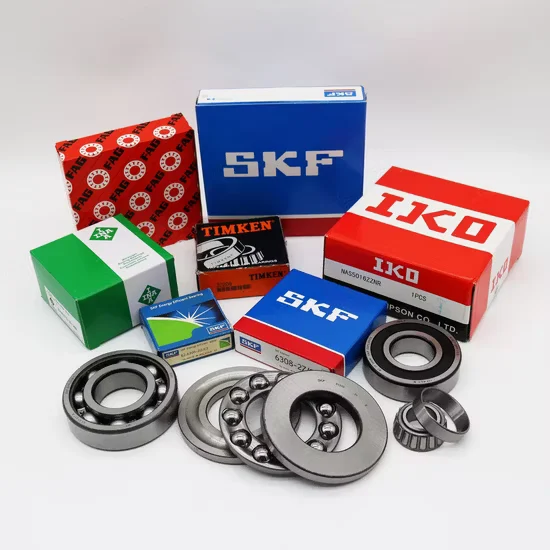 Deep Groove Ball Bearings Genuine FAG 30206 30208 30210 Tapered Roller Bearing Wholesale Supplier View product 03
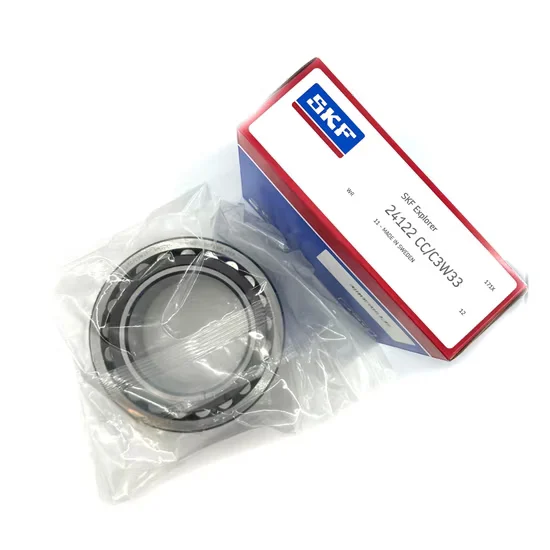 Spherical Roller Bearings 24122cc/C3w33 SKF Explorer Double Row Spherical Roller Bearing W33 View product 04
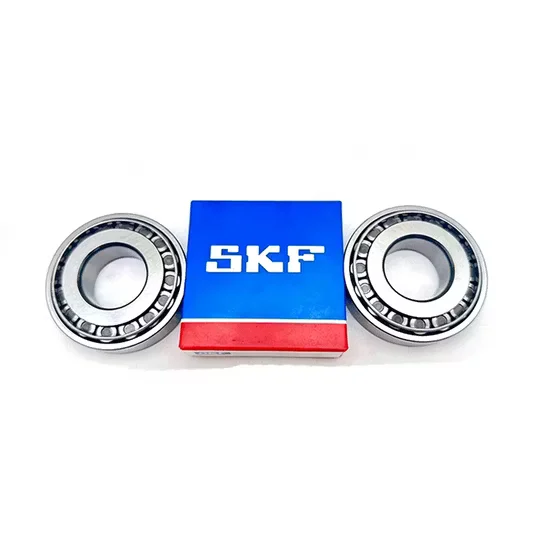 Agricultural Machinery Bearings SKF 30208 30209 Tapered Roller Bearing for Agricultural Machinery Genuine Stock View product
Related applications
The equipment and duties this article applies to. Each one links to the SKF bearing types used there.
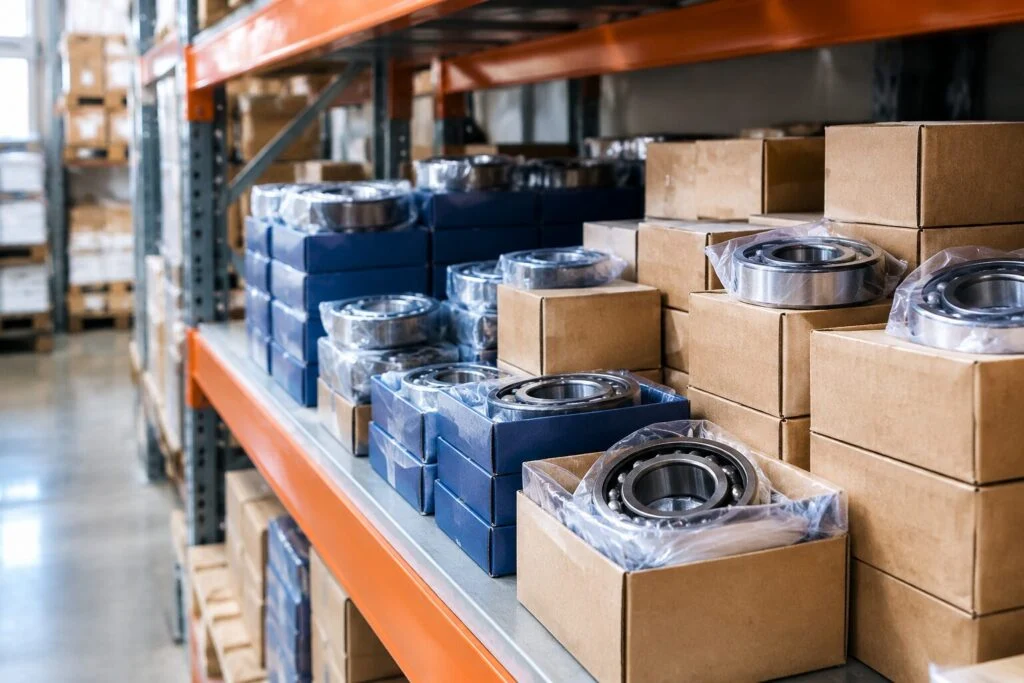
Quote every model in this article, line by line
Send the SKF models from this article together with your internal stock codes. Each bearing, housing and accessory is quoted on its own line, with its own quantity and specification, and nothing is substituted without your approval.
- Models plus internal codes
- Quantities per line
- Housings and accessories
