
Genuine Bearings for Bucket Elevators – Wholesale Supplier
Most bearing failures in bucket elevators are not caused by overload, but by fine dust intrusion and inadequate sealing.
Selecting the right bearings for bucket elevators requires prioritizing robust sealing solutions and genuine spherical roller bearings capable of withstanding high temperatures and heavy radial loads at the head pulley. Sourcing from a verified supplier ensures traceability and prevents catastrophic downtime caused by counterfeit components.
I still remember the silence in a cement plant control room after a head pulley seizure. The maintenance team blamed the motor torque, but the real culprit was a fractured cage in a non-genuine spherical roller bearing. Fine cement dust had bypassed the weak seals, mixed with the grease, and created an abrasive paste that cooked the bearing from the inside out. The temperature spiked beyond the material limits, causing the cage to disintegrate. That failure halted production for days, costing far more than the price difference between a genuine part and a cheap substitute. [NEED_CITE: common failure modes in heavy-duty elevator applications per ISO 15243] This experience shifted my focus from simple part replacement to rigorous工况 analysis and authentic sourcing. In harsh environments like mining or grain handling, the bearing is not just a component; it is the critical link preventing total system collapse.
Understanding why these components fail is the first step toward reliable operation. The following sections detail how to select, source, and maintain these critical assets.
Why Do Bucket Elevator Bearings Fail Prematurely?
Dust intrusion and thermal degradation are the primary drivers of premature bearing failure in bucket elevator systems, often misdiagnosed as mechanical overload.
In many industrial settings, operators assume that if a bearing fails, the load was too heavy. However, in bucket elevator applications, especially at the head pulley, the environment is hostile. The head section accumulates the finest particulate matter, which becomes airborne during operation. If the bearing seals are not designed for this specific challenge, dust penetrates the rolling element interface. Once inside, it acts as a lapping compound, accelerating wear on the races and rollers.
High temperatures exacerbate this issue. In cement plants or steel mills, ambient heat combined with friction can raise bearing operating temperatures significantly. Non-genuine bearings often use lower-grade steel or inferior heat treatment processes. When exposed to sustained high temperatures, these materials lose their hardness and structural integrity. The cage, which holds the rollers in place, is particularly vulnerable. If made from substandard brass or polymer, it can deform or fracture under thermal stress, leading to immediate seizure. [NEED_CITE: impact of operating temperature on bearing material properties]
A case from a mining operation illustrates this clearly. The site experienced repeated failures of the tail pulley bearings. Initial inspections suggested misalignment, but deeper analysis revealed that the seals were ineffective against the coarse, abrasive ore dust. The dust ingress led to rapid lubricant contamination. Switching to bearings with enhanced sealing capabilities and ensuring they were genuine products from reputable manufacturers resolved the issue. The key takeaway is that the environment dictates the failure mode, not just the load.
How to Select the Right Bearings for Head and Tail Pulleys?
Spherical roller bearings with robust sealing systems are essential for handling the heavy radial loads and potential misalignment inherent in bucket elevator designs.
Selecting the correct bearing involves more than matching dimensions. It requires understanding the specific stresses at each end of the elevator. The head pulley bears the tension of the loaded belt and the weight of the material being lifted. It also operates in the hottest, dustiest zone. Therefore, spherical roller bearings are the preferred choice here. Their design allows for angular misalignment, which is common in large structures due to foundation settling or shaft deflection. [NEED_CITE: engineering guidelines for bearing selection in bulk material handling]
The tail pulley, while cooler, faces different challenges. It guides the empty belt back up and must handle the tensioning forces. Here, the risk of contamination from spillage at the boot section is high. Sealing effectiveness is paramount. Labyrinth seals or contact seals with high-quality rubber compounds provide better protection than open designs.
When evaluating options, consider the internal clearance. For high-temperature applications, bearings with C3 or C4 clearance are often necessary to accommodate thermal expansion of the shaft and housing. Using standard clearance bearings in these conditions can lead to pre-loading and overheating. Furthermore, the lubricant must be compatible with the operating temperature and resistant to washout or contamination.
| Feature | Standard Bearing | Recommended for Bucket Elevators |
|---|---|---|
| Sealing Type | Open or Light Shield | Robust Contact Seal or Labyrinth Seal |
| Internal Clearance | Normal (C0) | Increased (C3/C4) for thermal expansion |
| Cage Material | Standard Brass/Steel | Heat-treated Steel or High-Temp Polymer |
| Misalignment Capability | Low | High (Spherical Roller Design) |
| Traceability | Often Limited | Full Batch Traceability Required |
This comparison highlights why generic substitutes often fail. They may look identical externally but lack the internal specifications required for harsh duty. A European grain elevator operator once reduced unplanned downtime by switching to a consistent supply of genuine spherical roller bearings with specified clearances. The initial cost was higher, but the extension in service life was substantial.
What Are the Hidden Costs of Using Non-Genuine Bearings?
Counterfeit or substandard bearings introduce unpredictable failure risks, turning minor upfront savings into massive production losses and safety hazards.
The temptation to cut costs by purchasing cheaper, non-genuine bearings is strong, especially for routine maintenance budgets. However, the true cost of a bearing is not its purchase price but its total cost of ownership. A failed bearing in a bucket elevator does not just require a part replacement. It involves labor for disassembly, potential damage to the shaft or housing, lost production time, and the cost of expedited shipping for emergency spares.
Non-genuine bearings often lack the precise metallurgy and manufacturing tolerances of authentic products. The steel purity may be lower, leading to earlier fatigue spalling. The heat treatment might be inconsistent, resulting in soft spots that wear quickly. In one instance, a facility in Southeast Asia purchased a batch of bearings that appeared identical to a premium brand. Within months, multiple units failed due to cage fractures. The subsequent investigation revealed that the metal composition did not meet the required standards. The cost of the downtime far exceeded the savings from the initial purchase. [NEED_CITE: economic impact of counterfeit industrial components]
Moreover, using non-genuine parts voids warranties and complicates insurance claims in the event of an accident. Safety is another critical factor. A catastrophic failure can send debris flying, posing a risk to personnel. Ensuring that every bearing is genuine and traceable is a risk management strategy, not just a procurement preference.
How to Source Genuine Bearings for Harsh Environments?
Prioritizing traceability, technical consultation, and flexible sourcing from verified global suppliers ensures access to authentic bearings suited for specific operational demands.
Finding a reliable source for genuine bearings requires due diligence. The market is flooded with intermediaries who may not guarantee authenticity. A trustworthy supplier provides complete traceability documentation, linking each bearing to its original manufacturer’s batch records. This transparency is crucial for verifying quality and addressing any potential issues.
Technical support is equally important. A good supplier does not just take orders; they offer consultation on selection. They understand the nuances of different brands like SKF, FAG, NSK, or TIMKEN and can recommend the best option for a specific application. For example, they might suggest a particular seal type from one brand that performs better in high-dust environments than a comparable model from another.
Flexibility in order quantities is also a key advantage. Maintenance needs vary from single emergency replacements to large-scale overhauls. A supplier who can handle both small, urgent orders and large container consolidations provides valuable operational flexibility. This capability reduces inventory holding costs while ensuring that critical spares are always available. [NEED_CITE: best practices for MRO supply chain management]
Additionally, consider suppliers who offer mixed-brand sourcing. This allows facilities to standardize on the best-performing bearing for each specific application rather than being locked into a single brand’s entire portfolio. It enables a more optimized and resilient maintenance strategy.
Conclusion
Genuine bearings with appropriate sealing and clearance are non-negotiable for reliable bucket elevator operation.
Investing in authentic components and partnering with a knowledgeable supplier mitigates the risks of dust-induced failure and thermal degradation. This approach minimizes unplanned downtime and ensures long-term operational efficiency in demanding industrial environments.
SKF bearings mentioned here
These are the SKF bearing types covered in this article. Open a product to check its designation, category and details before you add it to your list.
 Deep Groove Ball Bearings Genuine SKF 6022 6021 6020 6019 6018 Deep Groove Ball Bearing for Cars Tractors View product 02
 Cylindrical Roller Bearings SKF 558830 C Cylindrical Roller Bearing Single Row F AG Genuine View product 03
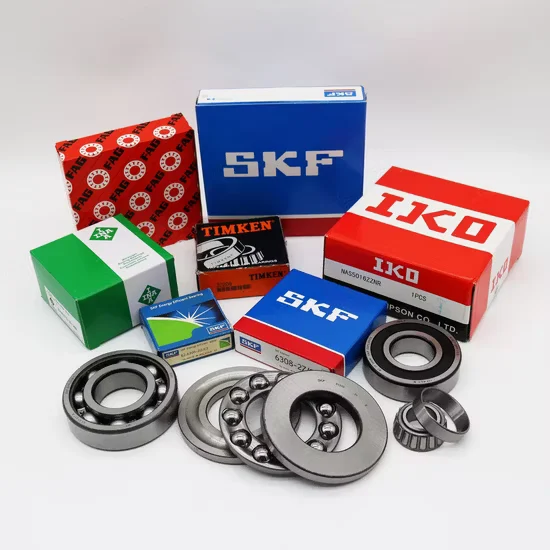 Deep Groove Ball Bearings Genuine FAG 30206 30208 30210 Tapered Roller Bearing Wholesale Supplier View product 04
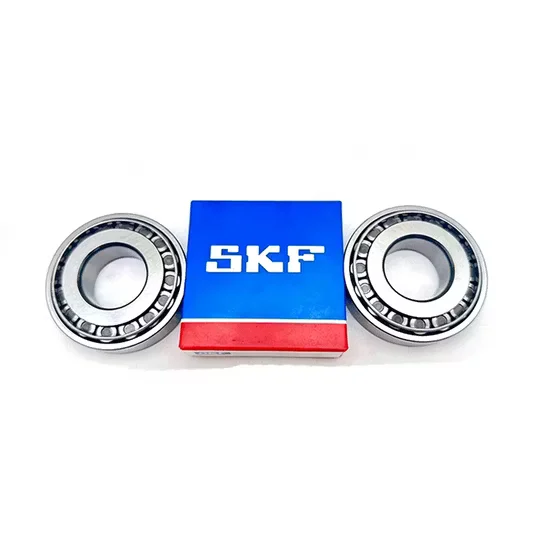 Agricultural Machinery Bearings SKF 30208 30209 Tapered Roller Bearing for Agricultural Machinery Genuine Stock View product
Related applications
The equipment and duties this article applies to. Each one links to the SKF bearing types used there.
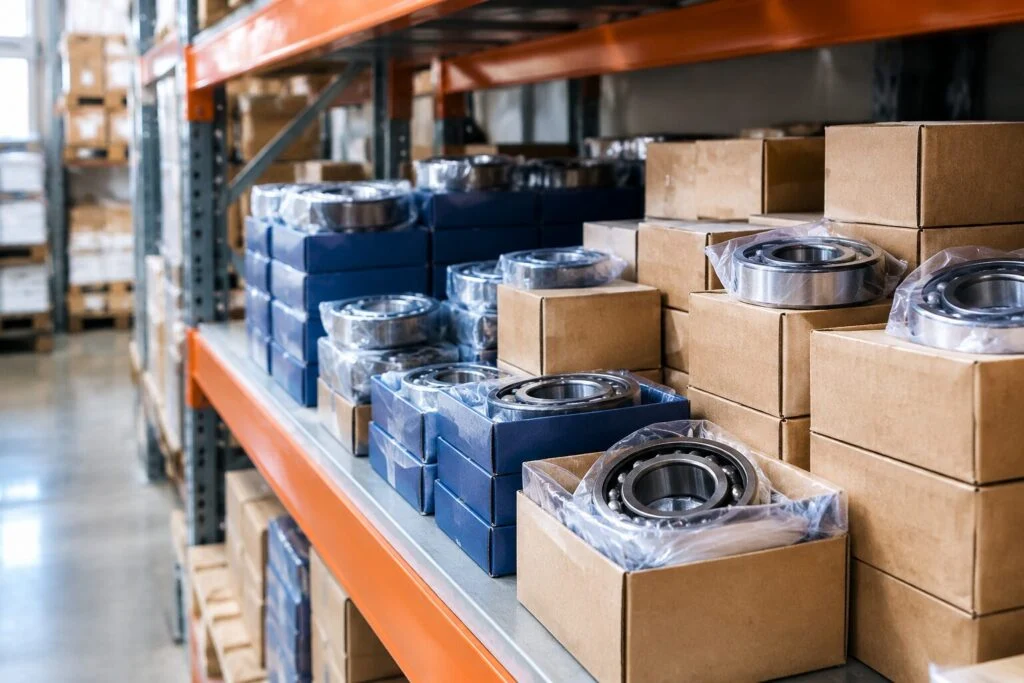
Quote every model in this article, line by line
Send the SKF models from this article together with your internal stock codes. Each bearing, housing and accessory is quoted on its own line, with its own quantity and specification, and nothing is substituted without your approval.
- Models plus internal codes
- Quantities per line
- Housings and accessories